Stay updated with the latest in cryptocurrency and blockchain news, delivered fast and reliably. Bookmark this page and check back often for valuable insights and timely information!
The burgeoning Ethereum network displays rapid evolution, signaling increasing sophistication across its diverse ecosystem. The $85 Billion Liquidity Trap: Why Ethereum’s Staking Supremacy Is a Double-Edged Sword Ethereum’s security budget has reached roughly $85.2 billion—a sum so vast it risks starving the very ecosystem it was built to protect. The network is currently undergoing a structural transformation, shifting from a high-velocity utility engine into a massive, yield-bearing vault for institutional capital. This isn't just a growth metric; it's a signal that the cost of "security" may finally be outpacing the economic value of the activities being secured. A staggering $85.2 billion valuation signifies a new maturity benchmark for the evolving decentralized network. ⚡ Strategic Verdi...
Get link
Facebook
X
Pinterest
Email
Other Apps
Figure Breach Rattles Crypto Trust: The 2.5GB Human Factor Reckoning
Get link
Facebook
X
Pinterest
Email
Other Apps
-
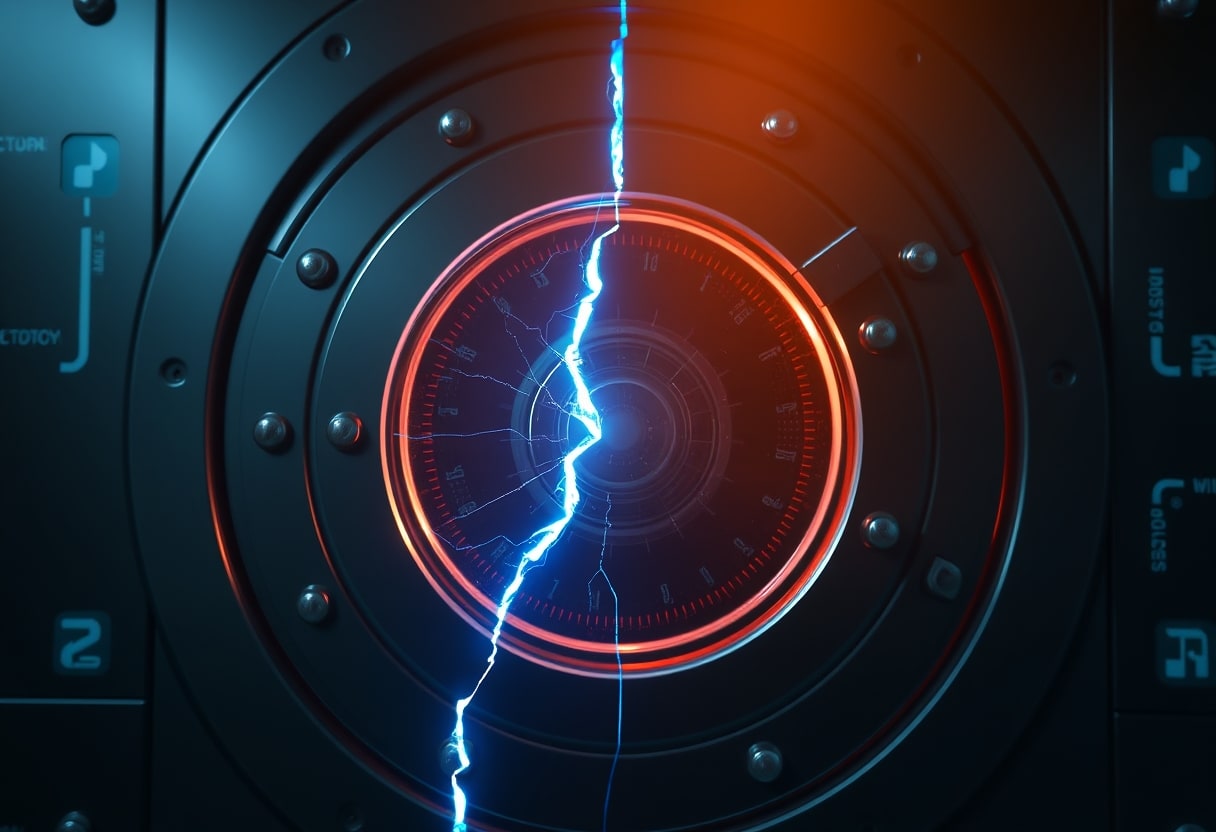
Figure faces a critical identity crisis as human vulnerability compromises institutional data integrity.
The Human Factor Strikes Again: Figure Breach Exposes Crypto's Soft Underbelly
🤑 Another day, another grim reminder that technology, no matter how decentralized or innovative, remains tethered to its weakest link: the human element. Figure Technology, a name often associated with promising blockchain innovations in lending, has just confirmed a data breach.
This isn't a story of smart contract exploits or protocol hacks. No, this is far more mundane, and far more insidious for everyday investors: an employee was tricked. A classic social engineering play opened the door, leading to a significant leak of customer data.
Structural weaknesses in human protocols undermine the cryptographic promises of the Figure ecosystem.
🏛️ Reports detail a "limited batch of records" downloaded via an internal account. The scale? A hefty 2.5GB of stolen material, now public, courtesy of a hacker collective after alleged ransom talks collapsed. This isn't just a corporate headache; it’s a direct threat to investor confidence and personal security.
🚩 Event Background The Persistent Ghost in the Machine
👮 For years, the crypto space has been obsessed with cryptographic security, robust protocols, and immutable ledgers. Yet, time and again, it's the 'meatware' layer that fails. This Figure breach is a stark callback to that inconvenient truth.
👾 The company assures us their core blockchain system wasn't flawed. That's a partial relief, of course. But what good is an unhackable blockchain if the front door to its user data is left ajar by a simple trick?
⚖️ This incident isn't isolated. It fits into a broader pattern where cutting-edge tech companies, particularly those bridging traditional finance and crypto, underestimate the persistence and sophistication of human-targeted attacks. Past regulatory failures often stem from a reactive stance, focusing on financial product risks while neglecting the foundational cybersecurity posture for user data.
What Exactly Was Taken?
The leaked files are reported to include sensitive personal identifiable information (PII): full names, home addresses, dates of birth, and phone numbers. These aren't just data points; they're the building blocks for identity fraud and highly targeted phishing campaigns.
🏛️ Figure hasn't disclosed the exact number of affected customers, leaving a chilling ambiguity about the true scope of potential fallout. Security researchers are already sounding the alarm: even if your crypto wallet or bank account remains untouched, this PII alone is a goldmine for scammers.
Social engineering remains the most potent weapon against the sophisticated Figure blockchain architecture.
Expect a wave of fake loan offers, phishing calls, and account takeover attempts in the wake of this release. This is the harsh reality of data exposure; the direct financial hit might be avoided, but the indirect risks can be extensive and exhausting.
📍 Market Impact Analysis A Chilling Effect
🏛️ The immediate market impact might seem contained, as core lending operations and on-chain systems were reportedly secure. However, the long-term ripple effects on investor sentiment, particularly within the nascent regulated crypto finance sector, are far more concerning.
This incident injects another dose of skepticism into an already jittery market. Investors are becoming increasingly wary of third-party custodians and centralized platforms, even those aiming for regulatory compliance. It strengthens the argument for self-custody and truly decentralized solutions.
😱 While unlikely to trigger a major price crash in blue-chip crypto assets, it could certainly cool interest in new entrants to the "CeFi meets DeFi" space. Projects that rely heavily on KYC data storage, stablecoins, and tokenized real-world assets (RWAs) will likely face enhanced scrutiny from cautious investors. This is a subtle but significant shift in the risk calculus.
🚩 Stakeholder Analysis & Historical Parallel The Echoes of Equifax
In my view, this Figure breach feels eerily similar to the 2017 Equifax data breach. Back then, one of the three major credit bureaus, a titan of traditional finance, exposed the personal information of 147 million Americans.
🔨 The outcome was predictable: massive public outrage, regulatory fines in the hundreds of millions, numerous class-action lawsuits, and a profound hit to trust that took years to even partially rebuild. The lesson learned? Complacency, even within established financial institutions, creates unacceptable vulnerabilities. Their failure wasn't a sophisticated zero-day attack; it was a known software vulnerability that wasn't patched in time – a process failure, a human failure.
🏛️ Today's Figure incident mirrors this perfectly. It wasn't a flaw in blockchain cryptography; it was the soft underbelly of human process and employee vigilance. The "big players" like Figure invest heavily in tech, but often skimp on the human element: robust, continuous security training, stringent access controls, and a culture that prioritizes security over convenience. This appears to be a calculated gamble on low-cost operations that just blew up in their face, at the expense of their customers.
The 2.5GB data dump creates a permanent risk for Figure users across fintech.
The key difference today is the context: Figure operates in crypto, a space where trust is already a more volatile commodity. While the sheer scale might be smaller than Equifax, the message is the same: no amount of cutting-edge technology can fully protect you if the people operating it are susceptible to basic deception. This is a stark reminder that centralization, even partial, always introduces new points of failure.
Summary of Key Stakeholders
Stakeholder
Position/Key Detail
Figure Technology
Confirmed breach from human error; notifying customers, offering credit monitoring.
ShinyHunters
Hacker collective claiming responsibility; leaked 2.5GB of data online after ransom talks failed.
Affected Customers
Personal data exposed (names, addresses, DOB, phone numbers); high risk for identity fraud.
Regulators
⚖️ Likely to scrutinize Figure's cybersecurity practices and data handling in the coming weeks.
📍 Future Outlook Regulatory Hammer & Decentralized Shift
⚖️ Expect regulators, already itching for more control over the crypto space, to use this incident as further ammunition. They will demand more stringent cybersecurity and data privacy standards for any entity handling user information, especially those touching traditional financial rails.
This could accelerate the push for clearer frameworks around data custodianship in hybrid crypto models. The industry response will likely involve a renewed focus on "zero-trust" architectures, not just for blockchain protocols, but for internal corporate systems handling customer data.
⚖️ For investors, this reinforces a fundamental truth: always question where your data resides and how it's protected. Opportunities may arise in projects that prioritize privacy-preserving technologies or those with demonstrably superior internal security protocols and insurance backing. However, the immediate future holds elevated risk for anyone who has shared significant PII with centralized crypto platforms.
📌 Key Takeaways
The Figure data breach highlights human error and social engineering as critical vulnerabilities, even in advanced crypto-adjacent firms.
Sensitive customer PII (names, addresses, DOB, phone numbers) was leaked, posing a significant risk of identity fraud for affected individuals.
🧱 While core blockchain systems were unharmed, investor trust in centralized crypto entities handling personal data is likely to erode further.
Stolen personal details from Figure now fuel a sophisticated wave of secondary phishing.
📜 Regulators will seize on this event to push for stricter cybersecurity and data privacy mandates across the crypto industry.
👮 The incident reinforces the importance of self-custody and robust personal security practices for crypto investors.
🔮 Thoughts & Predictions
The Figure breach isn't just a blip; it's a profound "Emperor's New Clothes" moment for the crypto industry's flirtation with TradFi models. Just as the Equifax debacle showed us that even financial behemoths can't secure basic data when human processes fail, Figure reminds us that a "secure blockchain" doesn't mean a secure company. Expect a significant uptick in investor flight towards truly decentralized applications and self-custody solutions, punishing hybrid models perceived as weak at the seams.
The irony is palpable: we build trustless systems, then rely on trust-heavy human operations to manage the access to those systems. This will inevitably lead to a medium-term regulatory crackdown, with governments demanding burdensome data security compliance that might stifle innovation for smaller players. Those building permissionless, privacy-centric technologies, perhaps leveraging zero-knowledge proofs for identity, are poised for a significant long-term competitive advantage.
The immediate fallout will be a renewed scrutiny of all centralized platforms' internal security posture. We might even see a "stress test" demand from regulators on data security, mirroring those applied to bank balance sheets. For investors, this means the risk premium for holding assets on exchanges or platforms that collect extensive PII just increased, potentially driving a minor capital shift away from such entities in the coming months.
🎯 Investor Action Tips
Review your digital footprint: Scrutinize what personal data you've shared with centralized crypto platforms and consider if it's truly necessary.
Strengthen personal security: Enable 2FA on all accounts, use unique and complex passwords, and be extremely wary of unsolicited communications (emails, calls, texts) requesting personal information.
Monitor credit and financial accounts: Regularly check credit reports for unusual activity and set up transaction alerts for all your bank and crypto accounts.
Prioritize self-custody: If possible, move significant crypto holdings off centralized exchanges and into hardware wallets or reputable non-custodial solutions to reduce counterparty risk.
📘 Glossary for Serious Investors
🎭 Social Engineering: A psychological manipulation tactic used by attackers to trick individuals into divulging confidential information or performing actions that compromise security, often bypassing technical defenses.
📜 PII (Personally Identifiable Information): Any data that could potentially identify a specific individual. Examples include names, addresses, dates of birth, phone numbers, and Social Security Numbers.
🧭 Context of the Day
Today's Figure breach underscores that no matter the tech, human vulnerability remains crypto's most persistent and unaddressed security challenge, demanding immediate investor and regulatory reckoning.
💬 Investment Wisdom
"Amateurs hack systems, professionals hack people." — Bruce Schneier
Tokenization boom accelerates: XRP ecosystem integrates $50T property. RWA crypto, digital assets, blockchain real estate. Epic Chain's XRP Integration: A Trillion-Dollar RWA Opportunity? 🔗 Epic Chain, a project supported by Ripple, is making significant strides in the tokenization of real-world assets (RWAs) by leveraging the XRP Ledger. This initiative aims to bring trillions of dollars worth of assets onto the blockchain, potentially revolutionizing how real estate, credit, commodities, and collectibles are managed and traded. But what does this mean for crypto investors? 📌 Ripple's Backing and Epic Chain's RWA Platform Epic Chain is positioning itself at the forefront of the RWA tokenization movement with its XRP-native platform. The platform is designed to facilitate the transfer of real estate, credit, commodities, and collectibles onto the XRP Ledg...
Digital asset forecast analyzing upcoming volatility: crypto market, next bull run, BTC price. Bitcoin's "Moonvember" Hopes Tempered by Market Realities: A Deep Dive for Investors 📌 Navigating Bitcoin's November Crossroads: Will History Repeat? The cryptocurrency market is at a fascinating juncture as we enter November 2025. Bitcoin, fresh off a somewhat disappointing "Uptober" where it retraced over 10% after briefly touching $126,000 , faces a pivotal month. Historically, November, often referred to as "Moonvember," has been a strong period for Bitcoin. But can historical trends overcome current market headwinds? To understand the present, it's essential to acknowledge the past. Bitcoin's price action has often followed predictable seasonal patterns. October and November, in particular, have been associated with bullish...
Introducing Solana's pivotal network upgrade, symbolizing growth and advancement. Solana's Alpenglow Upgrade: A Game-Changer for On-Chain Trading and Network Stability 🔗 Solana, a network long celebrated for its blistering speed and low transaction fees, has also navigated its share of stability challenges. As we move into 2025, a critical evolution is on the horizon: the Alpenglow consensus overhaul . This isn't just another incremental update; it's a fundamental reimagining of Solana's core architecture, poised to address longstanding concerns regarding validator performance, network stability, and long-term scalability. For investors, understanding this seismic shift is paramount, as it could significantly redefine SOL's competitive edge and its role within the broader blockchain ecosystem . 📌 🚀 The Alpenglow Evolution: Diving ...