Stay updated with the latest in cryptocurrency and blockchain news, delivered fast and reliably. Bookmark this page and check back often for valuable insights and timely information!
The tension between political rhetoric and BTC adoption reveals a deep misunderstanding of digital scarcity. Bitcoin just dipped 1.4% to $70,590 in 24 hours. The catalyst? A former Prime Minister of the United Kingdom, Boris Johnson, dusting off the tired "Bitcoin is a Ponzi scheme" argument in a recent Daily Mail column. The real story here isn't the marginal price move; it's the jarring disconnect between such outdated rhetoric and the undeniable march of institutional capital into digital assets. Here is what no one is talking about: this isn't just a political soundbite. It’s a structural conflict between the old guard's attempts to define a new asset class with obsolete frameworks, and a market that has clearly moved on. Labeling BTC a scheme fails to account for the 1 trillion dollar market ...
Get link
Facebook
X
Pinterest
Email
Other Apps
US Lawmakers Target Stablecoin Tax Relief: Small Payments Under $200 Exempt - A Break for Crypto Users?
Get link
Facebook
X
Pinterest
Email
Other Apps
-
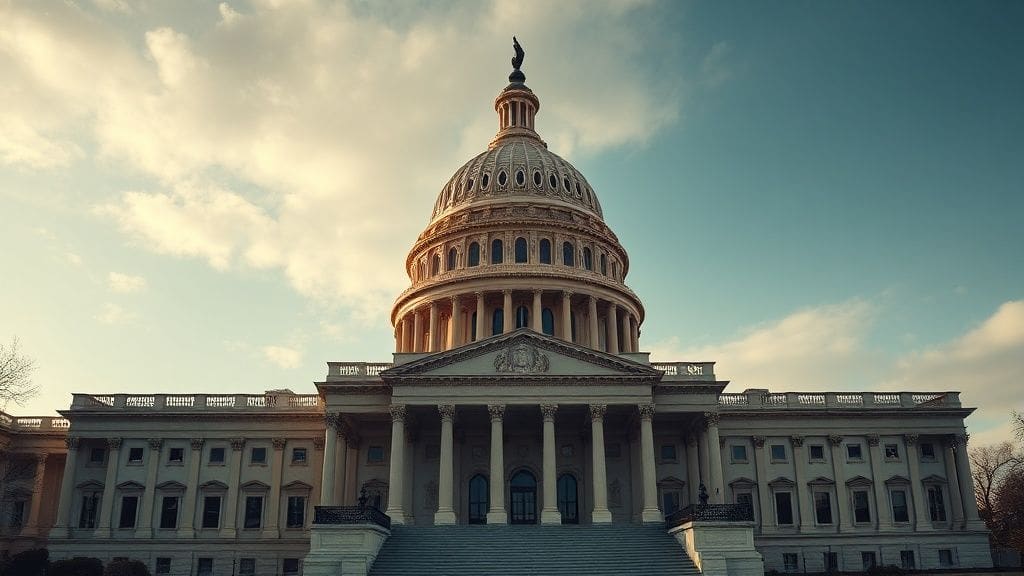
Overseeing new legislation impacting digital assets.
📌 Navigating the New Tax Frontier: US Stablecoin and Staking Relief on the Horizon (2025 Update)
The cryptocurrency landscape has always been a fascinating blend of innovation and regulatory uncertainty. For years, crypto investors and everyday users have grappled with a convoluted tax framework that often treats digital assets more like speculative property than functional currency. However, as we move through 2025, a significant discussion draft from US lawmakers aims to finally bring much-needed clarity and relief, particularly for stablecoin users and those earning rewards from staking and mining.
This bipartisan effort, spearheaded by Representatives Max Miller (R-Ohio) and Steven Horsford (D-Nev.), is a critical step towards normalizing digital assets within the existing financial system. It signals a growing recognition in Washington that the current tax rules are not just confusing, but actively hindering mainstream adoption and innovation in the crypto space. For investors, understanding the nuances of this proposal isn't just about compliance; it's about identifying new opportunities and managing evolving risks in a rapidly maturing market.
Deliberating on new crypto tax regulations.
The Long Road to Clarity: Event Background and Significance
💱 The journey to clear crypto tax guidelines has been arduous. For too long, the US Internal Revenue Service (IRS) has largely viewed cryptocurrencies as property, subjecting every transaction—from buying a coffee with Bitcoin in 2017 to swapping stablecoins in DeFi—to potential capital gains or losses. This "taxable event" standard created an insurmountable administrative burden for users and businesses, leading to widespread calls for reform.
💱 Past regulatory attempts often focused on broader market surveillance rather than user-friendly tax implementation. The lack of a clear framework for digital assets has been cited as a major barrier to both institutional and retail adoption, stifling innovation in areas like micro-payments and decentralized finance (DeFi). In 2023 and 2024, the industry saw increased lobbying efforts and public appeals for specific carve-outs for stablecoins, recognizing their potential as digital cash and their distinct economic function compared to volatile assets like Bitcoin or Ethereum.
The current discussion draft from Miller and Horsford is significant because it directly addresses these pain points. It's a pragmatic response to years of industry feedback, aiming to create a more rational and less burdensome tax environment for everyday crypto activities. The bipartisan nature of the proposal further enhances its chances of progressing, suggesting a shared understanding across the political spectrum that crypto taxation needs urgent modernization.
Stablecoin Safe Harbor: Easing the Burden of Small Transactions
One of the most anticipated aspects of the proposal is the "safe harbor" provision for regulated, USD-pegged stablecoins. This would exempt capital gains on stablecoin transactions under $200 from tax. The intent is clear: to prevent trivial everyday purchases from triggering complex tax calculations. Imagine buying a coffee, paying for a subscription, or sending a small tip—each previously a potential capital gains event. This exemption aims to remove that headache.
The proposed threshold, while seemingly small, represents a monumental shift in how stablecoins could be used. It explicitly recognizes regulated stablecoins as a medium of exchange, akin to cash, rather than a speculative investment. This safe harbor would only apply to stablecoins issued by a "permitted issuer" and that maintain a stable peg to the USD, encouraging the use of robust and compliant stablecoin projects.
A Deferral for Staking and Mining Rewards: Managing Income Recognition
💧 Another critical component of the draft addresses the taxation of staking and mining rewards. Under current interpretations, these rewards are often taxed as ordinary income the moment they are received, even if they are illiquid or immediately reinvested. This creates a liquidity challenge and a significant tax burden for validators and miners.
Visualizing the flow of small stablecoin transactions.
💧 The new proposal offers taxpayers the option to defer the recognition of income from staking and mining rewards for up to five years. This voluntary election allows participants to delay their tax liability until they decide to sell or convert the assets, providing flexibility and better aligning tax events with liquidity events. After the deferral period, the rewards would be taxed as ordinary income at their fair market value at that time. This provision acknowledges the operational realities of staking and mining, offering a much-needed concession to a vital part of the crypto ecosystem.
Broader Tax Alignments: Mark-to-Market and Wash Sale Rules
Beyond stablecoins and staking, the draft also includes provisions designed to align crypto tax practices with other parts of the traditional tax code. This includes applying wash sale rules to digital assets, which currently are not explicitly covered. The wash sale rule prevents investors from claiming a loss on an investment if they buy a "substantially identical" investment within 30 days before or after the sale. Applying this to crypto will close a loophole that some investors have used to artificially generate tax losses.
Additionally, the proposal introduces a path for certain traders to elect mark-to-market accounting. This would treat their digital asset holdings as if they were sold at fair market value at year-end for tax calculations, potentially simplifying year-end tax reporting for active traders by eliminating the need to track individual cost bases for every trade. These measures, while less directly consumer-facing, are crucial for increasing the maturity and regulatory coherence of the crypto market, reducing "gaps" identified by the IRS.
Market Impact Analysis: What This Means for Investors
This discussion draft, if enacted, holds profound implications for the crypto market:
💰 Stablecoin Adoption and Utility: The $200 exemption for stablecoin transactions could significantly boost their utility as a medium of exchange. It reduces friction for micro-payments, remittances, and everyday commerce on the blockchain. This could lead to a surge in stablecoin transaction volume and potentially cement their role as a backbone for digital payments, driving innovation in areas like Web3 gaming payments and decentralized marketplaces. We could see stablecoin market caps grow even faster, attracting more institutional interest.
⚖️ Staking Economy Boost: The deferral option for staking and mining rewards is a significant boon for validators and network participants. It removes a major tax burden and liquidity squeeze, potentially encouraging more participation in proof-of-stake networks. This could enhance network security and decentralization across various blockchains, making staking a more attractive long-term investment strategy. Projects relying heavily on staking rewards for their ecosystem could see increased investor confidence and participation.
Reduced Regulatory Risk: Clarifying tax rules reduces one of the biggest overhangs for the crypto market: regulatory uncertainty. A clear, pragmatic tax framework can foster greater institutional adoption and encourage more traditional businesses to integrate crypto into their operations. This could lead to a more stable market environment, potentially reducing volatility driven by regulatory fears.
Facilitating everyday digital transactions without tax burdens.
Investor Sentiment: The bipartisan nature and sensible approach of this draft are likely to improve investor sentiment. It demonstrates that lawmakers are listening and willing to create practical solutions rather than stifle innovation. This positive sentiment could translate into increased capital inflows into the crypto space, especially as the framework is designed to take effect for taxable years beginning after December 31, 2025.
Key Stakeholders’ Positions: A Broad Consensus
⚖️ The proposal’s bipartisan backing from Representatives Miller and Horsford underscores a growing consensus among lawmakers that the current crypto tax regime is untenable. Their arguments revolve around simplifying compliance for everyday users, fostering innovation, and bringing clarity to a complex asset class. Industry leaders, from stablecoin issuers to DeFi protocols, have long advocated for such reforms, emphasizing that current rules hinder the growth of a legitimate and transformative technology sector.
⚖️ Crypto projects and advocates are largely supportive, viewing these measures as essential steps toward mainstream adoption. The primary beneficiaries are individual users making small transactions and those contributing to network security through staking and mining. While the IRS's official stance typically favors stricter enforcement and closing perceived loopholes, the draft's inclusion of wash sale rules and mark-to-market options shows an attempt to balance industry needs with IRS concerns about maintaining tax integrity.
Future Outlook: Navigating the Path Ahead
While this is currently a "discussion draft" and not yet a formally introduced bill, its existence and bipartisan support are highly encouraging. The path through Congress, particularly the House Ways and Means Committee, will involve further stakeholder engagement and potential modifications. However, the momentum for clearer crypto tax rules is undeniable.
⚖️ In the medium term, if this framework is enacted, we can expect to see a significant uplift in the practical utility of stablecoins and a more robust staking economy. This could pave the way for broader regulatory clarity across other crypto sectors, such as DeFi lending and NFT transactions, as lawmakers gain a better understanding of digital assets.
📜 For investors, the long-term outlook points to a maturing market with reduced friction. We might see increased institutional participation once regulatory uncertainties around taxation are resolved, leading to greater market stability and potential for sustained growth. However, investors should remain vigilant, as the specifics of the bill could change, and state-level tax regulations might not immediately align with federal changes.
Stakeholder
Position/Key Detail
Lawmakers (Miller, Horsford)
Proposing tax relief for small stablecoin payments and deferral for staking/mining rewards; bipartisan effort for clarity.
Crypto Users / Small Businesses
Aimed to significantly ease tax burden & paperwork for everyday stablecoin use ($200 exemption).
Stakers / Miners
Option to defer tax recognition on rewards for up to 5 years, improving liquidity management.
Crypto Industry
Strongly supportive; seeking regulatory clarity to foster mainstream adoption and innovation.
IRS (Implied)
💰 Seeks to align crypto tax practices with existing code; wash sale rules and mark-to-market aim to reduce "gaps."
📌 🔑 Key Takeaways
The US discussion draft for crypto tax relief signals a critical shift towards pragmatic regulation, benefiting stablecoin users and stakers.
A $200 exemption for capital gains on small stablecoin transactions aims to drastically simplify everyday crypto payments, making stablecoins more viable as digital cash.
The option to defer taxes on staking and mining rewards for up to five years provides much-needed flexibility and liquidity for network participants.
While not yet law, the bipartisan support and sensible approach of this draft could significantly improve overall crypto market sentiment and institutional adoption.
The inclusion of wash sale rules and mark-to-market accounting brings crypto tax closer to traditional finance, reducing existing "gaps."
🔮 Thoughts & Predictions
The implications of this draft extend far beyond mere tax adjustments; it's a foundational step towards mainstreaming digital assets. From my perspective, the key factor here is the implicit recognition of stablecoins as a payment mechanism rather than solely a speculative asset. This shift in legislative thinking could unlock significant growth for the stablecoin market, potentially adding billions to their collective market capitalization as adoption expands into retail payments and cross-border remittances. We’re likely to see a surge in fintech innovation leveraging compliant stablecoins, mimicking the early days of mobile payments but on a global, permissionless scale.
Establishing a secure environment for stablecoin usage.
⚖️
The staking and mining deferral is equally transformative. Historically, the immediate taxation of illiquid rewards created a disincentive for smaller participants and complicated institutional treasury management. With this deferral, the barriers to entry for contributing to network security are significantly lowered, fostering greater decentralization and capital efficiency within proof-of-stake ecosystems. Expect to see an increase in staked assets and potentially new staking-as-a-service offerings that can now operate with a clearer, more predictable tax horizon. This is a medium-term catalyst for blockchain infrastructure development.
Ultimately, this bipartisan effort signals a maturation in how Washington views crypto. While full clarity remains a journey, this draft is a concrete demonstration that practical, common-sense solutions are achievable. The market will reward clarity, and projects that can effectively integrate these new tax frameworks will be best positioned for sustained growth in the coming years. It's not just about what you earn, but how you manage the tax implications, and this bill offers powerful new tools.
🎯 Investor Action Tips
Monitor Legislative Progress: Keep a close eye on the bill's advancement through committees; changes in language can have significant impacts on its final form and your tax strategy.
Re-evaluate Stablecoin Use Cases: Consider integrating regulated stablecoins more actively for smaller transactions or recurring payments, potentially reducing your tax reporting burden once the $200 exemption is active.
Review Staking Tax Planning: If you participate in staking or mining, begin consulting with a crypto tax professional to understand how the proposed deferral option could optimize your income recognition and liquidity.
Assess Project Compliance: Prioritize stablecoin projects and staking platforms that are transparent about their regulatory adherence, as the exemption specifically targets "permitted issuers" of USD-pegged stablecoins.
📘 Glossary for Serious Investors
⚖️ Wash Sale Rules: A tax rule preventing investors from claiming a loss on the sale of an asset if they repurchase a "substantially identical" asset within 30 days before or after the sale.
💰 Mark-to-Market Accounting: An accounting method where an asset's value is adjusted to reflect its current market price, often used by active traders to simplify year-end tax calculations by treating holdings as sold.
🔗 Stablecoin Peg: The mechanism by which a stablecoin maintains its value relative to a fiat currency (e.g., 1 USD) or another stable asset, often through reserves, algorithms, or a combination.
🧭 Context of the Day
Today's bipartisan push for crypto tax clarity signals a turning point for mainstream adoption, reducing friction for everyday users and strengthening the digital asset ecosystem.
💬 Investment Wisdom
"The best investment on Earth is Earth itself." — Louis Glickman
Digital asset forecast analyzing upcoming volatility: crypto market, next bull run, BTC price. Bitcoin's "Moonvember" Hopes Tempered by Market Realities: A Deep Dive for Investors 📌 Navigating Bitcoin's November Crossroads: Will History Repeat? The cryptocurrency market is at a fascinating juncture as we enter November 2025. Bitcoin, fresh off a somewhat disappointing "Uptober" where it retraced over 10% after briefly touching $126,000 , faces a pivotal month. Historically, November, often referred to as "Moonvember," has been a strong period for Bitcoin. But can historical trends overcome current market headwinds? To understand the present, it's essential to acknowledge the past. Bitcoin's price action has often followed predictable seasonal patterns. October and November, in particular, have been associated with bullish...
Tokenization boom accelerates: XRP ecosystem integrates $50T property. RWA crypto, digital assets, blockchain real estate. Epic Chain's XRP Integration: A Trillion-Dollar RWA Opportunity? 🔗 Epic Chain, a project supported by Ripple, is making significant strides in the tokenization of real-world assets (RWAs) by leveraging the XRP Ledger. This initiative aims to bring trillions of dollars worth of assets onto the blockchain, potentially revolutionizing how real estate, credit, commodities, and collectibles are managed and traded. But what does this mean for crypto investors? 📌 Ripple's Backing and Epic Chain's RWA Platform Epic Chain is positioning itself at the forefront of the RWA tokenization movement with its XRP-native platform. The platform is designed to facilitate the transfer of real estate, credit, commodities, and collectibles onto the XRP Ledg...
Introducing Solana's pivotal network upgrade, symbolizing growth and advancement. Solana's Alpenglow Upgrade: A Game-Changer for On-Chain Trading and Network Stability 🔗 Solana, a network long celebrated for its blistering speed and low transaction fees, has also navigated its share of stability challenges. As we move into 2025, a critical evolution is on the horizon: the Alpenglow consensus overhaul . This isn't just another incremental update; it's a fundamental reimagining of Solana's core architecture, poised to address longstanding concerns regarding validator performance, network stability, and long-term scalability. For investors, understanding this seismic shift is paramount, as it could significantly redefine SOL's competitive edge and its role within the broader blockchain ecosystem . 📌 🚀 The Alpenglow Evolution: Diving ...