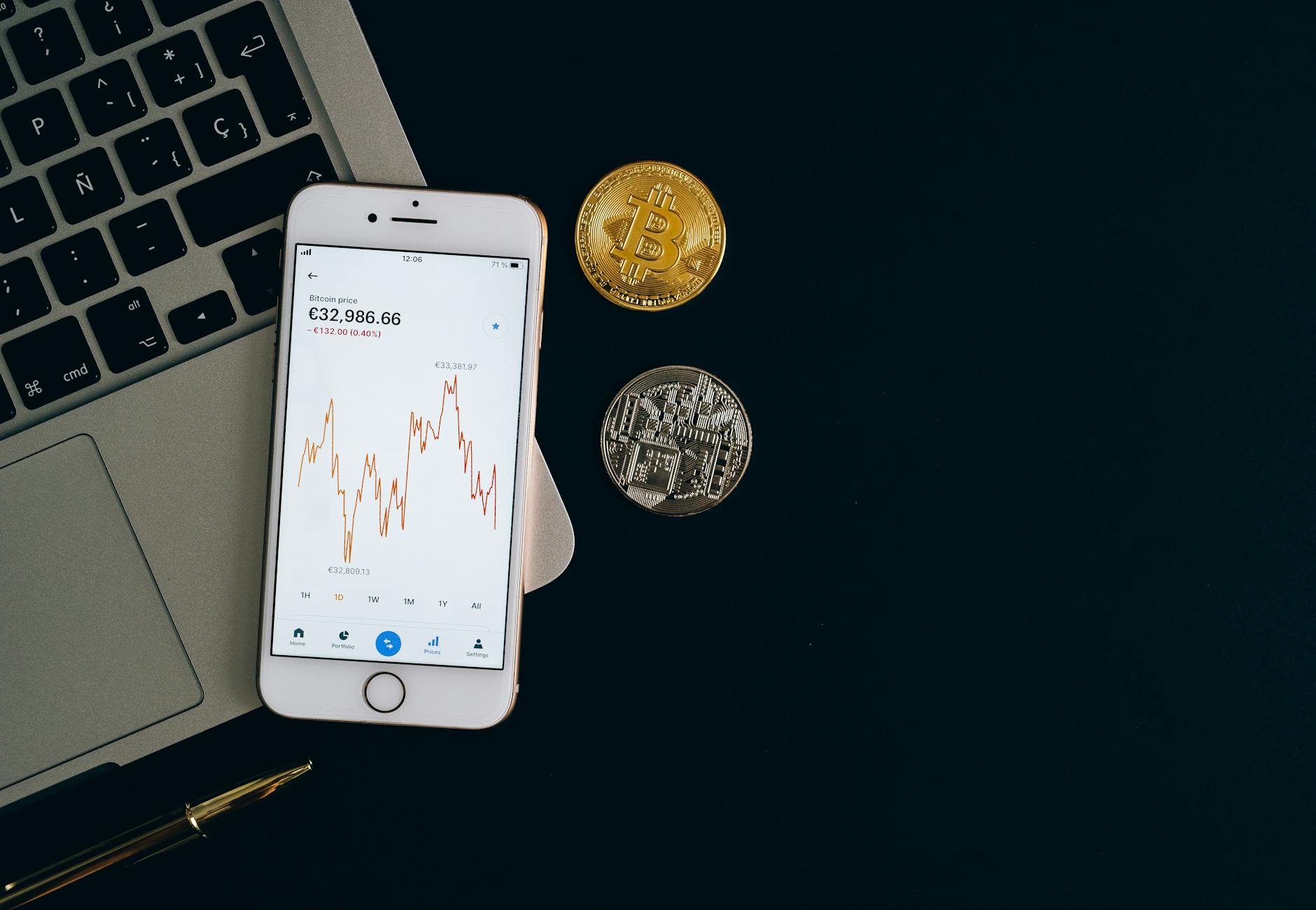
Coinbase Rep Scam Nets $16M: Brooklyn DA Charges Man in Major Fraud Case – Investor Alert
⚖️ In the fast-evolving world of cryptocurrency, vigilance is not just a virtue—it's a necessity. A recent high-profile case out of Brooklyn serves as a stark reminder of the persistent threats lurking in the digital shadows. The Brooklyn District Attorney’s Office has announced charges against a man accused of orchestrating a sophisticated phishing and social engineering scam, defrauding unsuspecting individuals of nearly $16 million by impersonating a Coinbase representative. This incident, while specific, reflects broader challenges in crypto security and investor protection that demand our immediate attention.
📌 Unpacking the $16 Million Scam: A Deceptive Playbook
The Modus Operandi
⚖️ From April 2023 to December 2024, Ronald Spektor, operating under the alias "Ronaldd" and the Telegram handle @lolimfeelingevil, allegedly executed a nationwide phishing scheme. Posing as a Coinbase representative, Spektor contacted users, falsely claiming their assets were at risk. His deceptive strategy was simple yet devastatingly effective: convince victims to transfer their crypto holdings to a "new" secure wallet, which was, in reality, under his control. This classic social engineering tactic preyed on investor fear and the inherent trust placed in established exchange platforms.

The investigation by the Brooklyn DA’s Virtual Currency Unit identified approximately 100 victims, with 70 individuals providing crucial testimony. The geographical spread of the scam highlights its broad reach, impacting individuals across the U.S., including a California resident who reportedly lost a staggering $1 million, and a Virginia resident who was defrauded of over $900,000.
The Scale of Deception and Laundering
After acquiring the illicit gains, Spektor allegedly laundered the stolen assets through sophisticated channels, including crypto mixers and various gambling sites. This tactic is common among fraudsters seeking to obscure the money trail, making it incredibly difficult for law enforcement to trace and recover funds. The 23-year-old defendant now faces a 31-count indictment, encompassing serious charges such as first-degree grand larceny, first-degree money laundering, and scheme to defraud. He has been held on a $2.5 million bail, partly due to revealed plans to flee to Mexico, underscoring the severity and calculated nature of his alleged crimes.
📌 Event Background and Significance: A Recurring Threat
A History of Digital Deceit
⚖️ The crypto space has unfortunately been fertile ground for scams since its inception. From early Ponzi schemes and exit scams to increasingly sophisticated phishing attacks, the industry has seen it all. Historically, regulatory bodies struggled to keep pace with the rapid technological advancements and borderless nature of cryptocurrencies, creating a vacuum that bad actors eagerly exploited. This lack of clear, unified global regulation has historically empowered fraudsters, making it challenging to prosecute cross-border crimes and recover stolen assets.
⚖️ Incidents like the Coinbase representative scam are not isolated; they are part of a persistent trend of cybercrime targeting crypto users. The emotional manipulation involved in social engineering scams often bypasses even the most robust technical security measures, making investor education paramount.
Why This Matters Now: Regulatory Gaps and Investor Vulnerability
⚖️ In 2025, as the crypto market matures and regulatory frameworks slowly take shape, such incidents underscore critical vulnerabilities. They highlight the ongoing need for both robust exchange-level security and enhanced investor awareness. This case comes at a time when institutional adoption is accelerating, bringing more mainstream users into the ecosystem who may be less familiar with the specific risks of self-custody or identifying fraudulent communications.

🏛️ The persistence of these scams often fuels skepticism and can hinder broader adoption. It also places immense pressure on exchanges to not only protect their platforms but also to educate their users and cooperate actively with law enforcement. This specific scam, leveraging the trusted name of Coinbase, a major regulated exchange, is particularly insidious as it erodes trust where it’s most needed.
📌 Market Impact Analysis: Navigating a Shifting Landscape
Short-Term Sentiment and Volatility
💰 While a single scam, even one involving $16 million, is unlikely to cause a seismic shift in the overall crypto market cap, it can certainly dampen investor sentiment in the short term. News of significant hacks or scams often triggers a temporary dip in confidence, particularly for newer investors. It might lead to increased scrutiny of exchange security practices and a potential flight of some capital towards more perceived "safe haven" assets within or outside crypto.
⚖️ For specific sectors, such as DeFi or NFTs, which rely heavily on user interaction with smart contracts and wallets, phishing scams reinforce the need for extreme caution. The use of crypto mixers in this case might also bring renewed regulatory focus on privacy-enhancing technologies, potentially impacting projects that utilize or are associated with such tools.
Long-Term Implications for Trust and Security
⚖️ In the long run, the enduring impact of such incidents revolves around trust. If unresolved or recurring, these scams can undermine the fundamental trust users place in the entire crypto ecosystem and in centralized exchanges (CEXs) specifically. For exchanges, these events serve as a catalyst to further invest in fraud detection, user education campaigns, and rapid response mechanisms. The incident reinforces the industry's collective responsibility to cultivate an environment where security and user protection are not merely features but foundational principles.
⚖️ Moreover, the active pursuit and prosecution by authorities like the Brooklyn DA can provide a crucial deterrent effect, signaling to would-be fraudsters that illicit activities in crypto will not go unpunished. This judicial action is a positive long-term development for the legitimacy and growth of the industry.
📌 Key Stakeholders’ Positions: United Against Fraud
Law Enforcement's Stance
The Brooklyn District Attorney Eric Gonzalez has taken a strong stance against crypto fraud. His office's Virtual Currency Unit is at the forefront of these investigations, signaling a growing commitment from law enforcement to adapt to and combat digital crimes. Gonzalez emphasized his office's dedication to preventing Brooklyn from becoming a "hub for online scams," vowing to "root out every instance of cryptocurrency fraud" using the "latest technology" and to "freeze assets whenever possible." This aggressive approach is a clear message to bad actors and a welcome development for investors seeking recourse and protection.

During the investigation, approximately $105,000 in cash and about $400,000 in crypto assets have already been confiscated from Spektor, with ongoing efforts to recover more. This demonstrates that law enforcement is becoming more proficient not only in identifying perpetrators but also in tracing and recovering digital assets.
Industry's Response: Coinbase's Role
⚖️ Coinbase's Chief Legal Officer, Paul Grewal, publicly lauded the DA's efforts, highlighting the exchange's commitment to customer protection. Coinbase actively collaborated with the investigation, assisting in perpetrator identification, pinpointing defrauded customers, providing evidence, and tracing funds. This level of cooperation is critical. It showcases a proactive approach from major exchanges to work hand-in-hand with authorities, moving beyond just securing their platforms to actively participating in broader ecosystem security. This collaboration sets a precedent for how centralized entities can, and should, respond to fraud that leverages their brand.
| Stakeholder | Position/Key Detail |
|---|---|
| Brooklyn District Attorney (Eric Gonzalez) | ⚖️ Aggressively prosecuting crypto fraud; committed to deterring online scams and recovering stolen assets. |
| Coinbase (Paul Grewal) | Actively collaborated with DA to identify perpetrator, customers, trace funds, and provide evidence. |
| Ronald Spektor | Alleged perpetrator of $16M phishing scam, impersonating Coinbase rep, facing 31-count indictment. |
| Victims (approx. 100 individuals) | Lost combined $16M to the scam, including individual losses of up to $1M. |
📌 Future Outlook: A Dual Path of Regulation and Vigilance
Evolving Regulatory Frameworks
⚖️ The rise in crypto-related fraud will undoubtedly accelerate the push for clearer and more comprehensive regulatory frameworks in the U.S. and globally. We can anticipate increased pressure on exchanges to implement stricter KYC (Know Your Customer) and AML (Anti-Money Laundering) procedures, particularly concerning withdrawals to unverified addresses or interactions with identified crypto mixers. There may also be a greater emphasis on consumer protection laws specific to digital assets, potentially mandating better educational resources and clearer warnings from platforms.
The active involvement of local law enforcement like the Brooklyn DA also points to a future where crypto crime is tackled not just by federal agencies but also at state and local levels, leading to a more granular and potentially effective enforcement landscape. This localized approach could translate into quicker responses and more targeted investigations, which is a net positive for investor safety.
Opportunities Amidst Risk
For investors, this landscape presents both risks and opportunities. The immediate risk is, of course, falling victim to such sophisticated scams. However, the enhanced regulatory scrutiny and increased law enforcement action could lead to a cleaner, safer crypto environment in the long term. This provides an opportunity for legitimate, compliant projects and platforms to thrive, potentially attracting more institutional capital and broader public adoption as trust in the ecosystem grows.
⚖️ Investors who prioritize due diligence, stay informed about security best practices, and diversify their portfolios across reputable platforms and secure self-custody solutions will be better positioned to navigate these evolving market conditions. The ongoing fight against fraud is not just a burden; it's a necessary step towards a more mature and resilient crypto future.
📌 🔑 Key Takeaways
- Persistent Threat: Sophisticated social engineering and phishing scams remain a major vulnerability for even experienced crypto investors, often targeting trust in established brands.
- Law Enforcement's Growing Prowess: Authorities are enhancing their capabilities to investigate, prosecute, and recover funds from crypto fraudsters, signaling increased accountability.
- Exchange Collaboration is Crucial: Active partnership between crypto exchanges and law enforcement is vital for identifying perpetrators and protecting customers, setting a positive precedent for industry responsibility.
- Investor Vigilance is Non-Negotiable: This incident underscores the critical need for individual investors to practice extreme caution, verify communications independently, and prioritize self-education on security best practices.
The unfortunate $16 million Coinbase scam is more than just another headline; it's a powerful indicator of the evolving cat-and-mouse game between fraudsters and the crypto ecosystem. While the immediate market impact on prices might be minimal, the ripple effect on investor psychology and regulatory momentum is significant. Expect a renewed push for robust user authentication protocols and mandatory security education campaigns across major exchanges in the medium term. The days of purely self-reliant crypto security are waning; hybrid models incorporating institutional oversight and advanced threat intelligence are becoming indispensable.
From my perspective, this prosecution, coupled with Coinbase's active involvement, signals a critical turning point. It demonstrates that jurisdictional boundaries are blurring for law enforcement in the digital realm, making the crypto space less of a Wild West and more of a regulated frontier. This increased accountability, though initially seen by some as an overreach, will ultimately enhance the long-term credibility and attractiveness of crypto assets for mainstream adoption, potentially boosting overall market capitalization by tens of billions in the coming years.
My bold prediction is that this case will serve as a blueprint for future inter-agency and industry collaborations, leading to a noticeable reduction in large-scale social engineering attacks on centralized platforms by late 2025. However, the vector of attack will simply shift, pushing fraudsters towards more sophisticated DeFi exploits or supply-chain attacks on wallet infrastructure. Investors must understand that enhanced security on one front necessitates heightened vigilance on all others; the game never truly ends, it only changes form.
- Verify All Communications: Always assume any unsolicited contact (email, Telegram, phone call) claiming to be from an exchange is a scam. Navigate directly to official support channels or websites to verify account status.
- Enable Advanced Security: Implement Hardware Security Keys (HSKs) for two-factor authentication (2FA) on all crypto accounts. SMS-based 2FA is vulnerable to SIM-swapping attacks.
- Research Wallet Security: For significant holdings, consider moving assets to a reputable hardware wallet (e.g., Ledger, Trezor) to maintain full self-custody and minimize exchange-related phishing risks.
- Stay Informed on Regulatory Shifts: Monitor news from regulatory bodies and major exchanges. Increased enforcement and collaboration can provide insights into emerging threats and improved security measures.
🎣 Phishing: A type of cyber fraud where attackers attempt to trick individuals into revealing sensitive information, such as login credentials or private keys, often by impersonating a trustworthy entity like an exchange.
🗣️ Social Engineering: The psychological manipulation of people into performing actions or divulging confidential information. In crypto, this often involves building trust or instilling fear to bypass security protocols.
🧰 Crypto Mixers: Services that pool and mix cryptocurrencies from various users before sending them to their respective destinations, making it difficult to trace the origin and destination of funds and often used for illicit activities.
— Booker T. Washington
Crypto Market Pulse
December 21, 2025, 11:22 UTC
Data from CoinGecko
This post builds upon insights from the original news article. Original article.