Stay updated with the latest in cryptocurrency and blockchain news, delivered fast and reliably. Bookmark this page and check back often for valuable insights and timely information!
The recent shift in BoE stance indicates a softening of the rigid regulatory boundaries once proposed for crypto. Bank of England's Stablecoin Reversal: A Calculated Retreat or a Strategic Opportunity? The Bank of England (BoE) has just signaled a significant shift in its approach to regulating pound-pegged stablecoins, moving away from its initially proposed ownership caps and strict reserve ratios. This isn't just a policy tweak; it's a potential pivot that could reshape the UK's digital asset landscape. While proponents of stringent regulation see this as a capitulation, the astute investor must look deeper at what this retreat truly signifies. 📍 Event Background and Significance For years, global regulators have grappled with how to integrate digital assets, particularly stablecoins, into existing financial frameworks without jeopardizin...
Get link
Facebook
X
Pinterest
Email
Other Apps
Bitcoin Ransom Demand Hits Hyundai: South Korean Offices Evacuated Over $1.1M Bitcoin Threat
Get link
Facebook
X
Pinterest
Email
Other Apps
-
Securing Hyundai's Seoul headquarters amidst a serious threat.
Bitcoin Ransom Shakes Hyundai: Decoding the Investor Implications in 2025
⚖️ The global crypto market, always on edge, faced another test on December 20, 2025, when South Korean industrial giant Hyundai Group's Seoul offices were plunged into chaos. An email demanding 13 Bitcoin—roughly $1.1 million at the time—threatened explosions unless the ransom was paid by 11:30 AM, prompting immediate evacuations and a massive security response. While no explosives were found and Hyundai wisely refused to pay, this incident reverberates far beyond the streets of Seoul, signaling critical implications for crypto investors.
⚖️ As a seasoned crypto analyst, I believe it's imperative to dissect such events not just for their sensational headlines, but for the underlying shifts they reveal in the delicate balance between crypto innovation, regulatory oversight, and evolving cyber threats. This isn't just a security breach; it's a potent catalyst for future market dynamics and policy changes you need to understand.
Reinforcing corporate security within South Korea's business landscape.
📌 A Tense Morning in Seoul: The Hyundai Ransom Threat Unpacked
The morning of December 20, 2025, began with an unprecedented level of alarm for thousands of Hyundai employees. Threatening emails, sent to two key locations—the Hyundai Group building in Yeonji-dong, Jongno-gu, and the Hyundai Motor Group tower in Yangjae-dong, Seocho-gu—triggered an immediate and sweeping safety protocol.
The Anatomy of a Digital Extortion Attempt
Local police and news outlets confirmed the emails specifically demanded 13 Bitcoin (BTC), valued at approximately $1.1 million, with a non-negotiable deadline. This explicit use of Bitcoin as the preferred payment method underscores crypto's dual-edged nature: its efficiency for legitimate transactions and its appeal to illicit actors seeking pseudo-anonymity across borders. Staff were promptly evacuated, and operations were shifted to remote work as bomb squads and special units meticulously searched the premises. Fortunately, after hours of intense sweeps, officials confirmed no explosives or suspicious devices were found. Crucially, sources close to Hyundai and law enforcement confirmed that no transfer of the demanded 13 BTC was made, setting a firm precedent against giving in to such threats.
Investigators are now immersed in collecting digital evidence from the threatening emails, collaborating with cyber units to trace the origin. Surveillance footage and building logs are also being scrutinized as part of the standard investigative procedure. This incident, while alarming, highlights the increasing sophistication of both cyber attackers and the digital forensics teams working to counter them.
📌 Beyond Hyundai: A Troubling Trend in South Korea's Digital Landscape
The Hyundai incident is far from an isolated event. Reports from multiple outlets indicate that similar threats have recently targeted other major South Korean firms, including tech giants like Samsung Electronics, telecom behemoth KT, and internet powerhouses Kakao and Naver. This pattern suggests either a coordinated extortion campaign or a wave of copycat attempts designed to sow fear across the nation's corporate landscape.
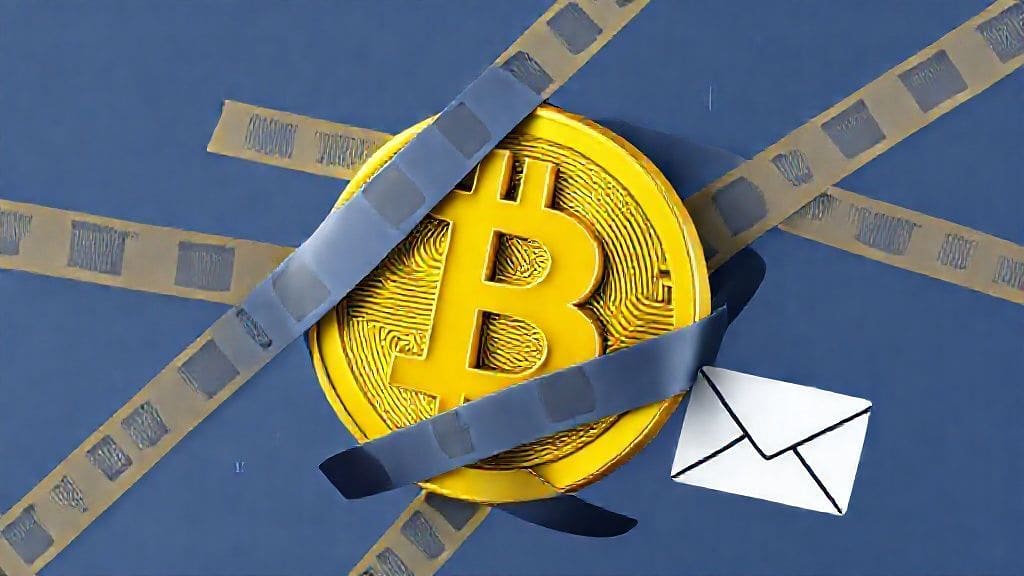
A Bitcoin ransom demand targeting corporate entities.
Historical Context: Crypto and Cybercrime's Evolving Dance
The use of cryptocurrency in ransom demands is not new. From the notorious WannaCry ransomware attacks of 2017 to numerous data breaches in subsequent years, bad actors have consistently leveraged Bitcoin and other cryptocurrencies for their global reach and perceived anonymity. In 2025, this trend has only intensified, fueled by crypto's widespread adoption and the growing digital footprint of corporations. Authorities believe some of these recent messages in South Korea might be hoaxes, but they are treating every tip with utmost seriousness, distinguishing credible leads from mere scare tactics.
🔗 Financial and cybercrime units have observed a significant uptick in crypto-tied ransom demands across the region over the past months. While attackers favor crypto for its borderless nature, the increasing maturity of blockchain analytics tools means that tracing transactions, especially when firms and exchanges cooperate, can often reveal valuable leads. This growing capability of law enforcement to trace crypto transactions is a critical development, potentially shifting the risk calculus for cybercriminals.
📌 Market Impact Analysis: What This Means for Your Portfolio
Such high-profile cyber-attacks, even if unsuccessful in terms of ransom payment, have tangible implications for the broader crypto market. For investors, understanding these effects is crucial for navigating potential volatility and long-term trends.
Investor Sentiment and Regulatory Headwinds
In the short term, events like the Hyundai threat can trigger "FUD" (Fear, Uncertainty, Doubt), leading to minor market corrections or increased volatility as investors react to negative headlines. While Bitcoin itself isn't directly responsible for the crime, its association with illicit activities, however unfair, can cast a shadow on investor sentiment, especially among traditional finance newcomers.
📜 The more significant impact, however, is likely to be felt in the medium to long term through intensified regulatory scrutiny. Lawmakers, already grappling with how to effectively govern the crypto space, will see this as further justification for implementing stricter AML (Anti-Money Laundering) and KYC (Know Your Customer) regulations. Expect increased pressure on crypto exchanges and service providers to enhance their due diligence, potentially affecting user privacy and the onboarding process for new investors.Bomb squads sweeping office spaces for explosive devices.
⚖️ This could also fuel debates around the future of privacy coins and self-custody solutions, as regulators seek to limit perceived loopholes for illicit finance. Sectors like DeFi and stablecoins, while not directly targeted here, could face indirect pressure if the broader regulatory environment tightens. The narrative around crypto's "dark side" could gain traction, potentially slowing institutional adoption or public acceptance if not adequately countered by proactive industry measures and clearer regulatory frameworks.
📌 Stakeholders Weigh In: The Battle for Crypto's Reputation
The Hyundai incident forces various stakeholders to reiterate or revise their positions on crypto and its role in the digital economy.
Lawmakers and Authorities
⚖️ South Korean authorities, already active in developing crypto regulations, will likely use this incident to advocate for more robust frameworks. The focus will be on international cooperation for tracing crypto funds and prosecuting cybercriminals. Expect discussions around stronger mandates for local exchanges to share transaction data and implement advanced fraud detection mechanisms. Their arguments will center on national security and economic stability, pushing for measures that could affect the accessibility and anonymity currently enjoyed by some crypto users.
Industry Leaders and Corporations
⚖️ Hyundai's decision not to pay the ransom is a critical stance, reinforcing the principle that caving to extortion only perpetuates the problem. However, the operational disruption and security costs are significant. This incident will undoubtedly prompt other major corporations to re-evaluate their cybersecurity defenses and develop clearer protocols for responding to crypto-ransomware threats. There's a growing understanding that while crypto is a payment rail, the vulnerability lies in the underlying IT infrastructure of the target company.
The Crypto Ecosystem
⚖️ For the crypto industry itself, this is a moment of reckoning. While Bitcoin is neutral technology, its association with crime impacts its public image. Industry leaders and projects must double down on efforts to promote responsible use, develop stronger security features, and actively cooperate with law enforcement to combat illicit activities. Companies specializing in blockchain forensics and compliance solutions will likely see increased demand, turning a negative narrative into a growth opportunity for specific niches within the crypto space. The incident underscores the crypto industry's ongoing challenge to balance decentralization and privacy with the demands of regulatory compliance and global security.Navigating digital ransom demands in the cryptocurrency era.
📌 Summary of Key Stakeholder Positions
Stakeholder
Position/Key Detail
Hyundai Group
Refused to pay 13 BTC ransom; prioritized employee safety and remote work.
South Korean Police/Authorities
Mobilized bomb squads, conducted sweeps, tracing digital evidence, see as part of wider pattern.
Cybercriminals/Attackers
Demanded 13 BTC ($1.1M) for explosions threat; likely coordinated or copycat extortionists.
Other Korean Firms (Samsung, KT, Kakao, Naver)
🎯 Also targeted by similar threats, indicating a broader cybercrime wave.
Crypto Industry (Implicit)
📈 Faces increased scrutiny and pressure to cooperate with law enforcement on illicit activities.
📌 🔑 Key Takeaways
📌 🔑 Key Takeaways
Heightened Regulatory Risk: This high-profile incident will intensify calls for stricter global crypto regulations, particularly in AML/KYC, potentially impacting privacy coins and decentralized protocols.
Cybersecurity Focus: Corporations are prioritizing robust cybersecurity and incident response plans, which could drive demand for blockchain-based security solutions and forensic services.
Investor Sentiment Vulnerability: Negative associations with illicit crypto use can cause short-term market FUD and erode mainstream confidence, making a strong narrative for legitimate use critical.
Tracing Capabilities Evolving: Law enforcement's growing expertise in blockchain analytics means the perceived "anonymity" of crypto for crime is diminishing, offering a counter-narrative to illicit use.
🔮 Thoughts & Predictions
The Hyundai ransom threat, while ultimately contained, highlights a critical juncture for the crypto market in 2025. The immediate aftermath will likely see a surge in public discourse around crypto's role in cybercrime, compelling regulators globally to accelerate proposals for more stringent oversight, particularly for cross-border transactions and unhosted wallets. We could witness a push for enhanced data sharing between international law enforcement agencies and major crypto exchanges, potentially leading to more centralized control points, despite the ethos of decentralization.
From an investment perspective, this reinforces the "flight to quality" trend. Projects demonstrating robust security, clear regulatory compliance roadmaps, and a proactive stance against illicit activity are likely to outperform those with perceived vulnerabilities or a disregard for evolving legal frameworks. Furthermore, the incident might inadvertently boost the market for specialized blockchain analytics firms and cybersecurity solutions that integrate blockchain technology, as corporations seek to fortify their defenses. I predict a noticeable uptick in corporate adoption of these defensive technologies over the next 12-18 months.
Ultimately, this event underscores that the battle for crypto's mainstream legitimacy will be won or lost based on its ability to shed its association with illicit finance while preserving its core innovations. Investors should prepare for a potentially more regulated, but arguably more secure, ecosystem in the long run.
🎯 Investor Action Tips
Monitor Regulatory Filings: Keep a close eye on official government and intergovernmental reports (e.g., FATF, national legislative bodies) for new proposals or amendments regarding crypto, especially those related to AML/CTF.
Prioritize Compliant Projects: Focus investments on projects and platforms that actively engage with regulators, have strong compliance teams, and prioritize transparent operations to mitigate future regulatory risks.
Diversify Beyond Core Assets: While Bitcoin and Ethereum remain foundational, consider diversifying into sectors that address security or compliance needs, such as blockchain forensics companies or enterprise-grade security tokens.
Review Exchange Policies: Understand the KYC/AML policies of the exchanges and platforms you use, as these are likely to become more stringent; be prepared for increased verification requirements.
📘 Glossary for Serious Investors
⛓️ Blockchain Forensics: The specialized field of investigating and analyzing cryptocurrency transactions on public blockchains to trace funds, identify suspicious activities, and support legal proceedings.
🔐 Cyber Extortion: A type of cyberattack where criminals threaten to publish sensitive data, block access to systems, or cause other harm unless a ransom, often in cryptocurrency, is paid.
🧭 Context of the Day
The Hyundai ransom scare underscores crypto's ongoing battle against illicit association, directly influencing regulatory tightening and demanding investor vigilance towards compliant projects.
💬 Investment Wisdom
"The only way to do great work is to love what you do." — Steve Jobs
Digital asset forecast analyzing upcoming volatility: crypto market, next bull run, BTC price. Bitcoin's "Moonvember" Hopes Tempered by Market Realities: A Deep Dive for Investors 📌 Navigating Bitcoin's November Crossroads: Will History Repeat? The cryptocurrency market is at a fascinating juncture as we enter November 2025. Bitcoin, fresh off a somewhat disappointing "Uptober" where it retraced over 10% after briefly touching $126,000 , faces a pivotal month. Historically, November, often referred to as "Moonvember," has been a strong period for Bitcoin. But can historical trends overcome current market headwinds? To understand the present, it's essential to acknowledge the past. Bitcoin's price action has often followed predictable seasonal patterns. October and November, in particular, have been associated with bullish...
Tokenization boom accelerates: XRP ecosystem integrates $50T property. RWA crypto, digital assets, blockchain real estate. Epic Chain's XRP Integration: A Trillion-Dollar RWA Opportunity? 🔗 Epic Chain, a project supported by Ripple, is making significant strides in the tokenization of real-world assets (RWAs) by leveraging the XRP Ledger. This initiative aims to bring trillions of dollars worth of assets onto the blockchain, potentially revolutionizing how real estate, credit, commodities, and collectibles are managed and traded. But what does this mean for crypto investors? 📌 Ripple's Backing and Epic Chain's RWA Platform Epic Chain is positioning itself at the forefront of the RWA tokenization movement with its XRP-native platform. The platform is designed to facilitate the transfer of real estate, credit, commodities, and collectibles onto the XRP Ledg...
Introducing Solana's pivotal network upgrade, symbolizing growth and advancement. Solana's Alpenglow Upgrade: A Game-Changer for On-Chain Trading and Network Stability 🔗 Solana, a network long celebrated for its blistering speed and low transaction fees, has also navigated its share of stability challenges. As we move into 2025, a critical evolution is on the horizon: the Alpenglow consensus overhaul . This isn't just another incremental update; it's a fundamental reimagining of Solana's core architecture, poised to address longstanding concerns regarding validator performance, network stability, and long-term scalability. For investors, understanding this seismic shift is paramount, as it could significantly redefine SOL's competitive edge and its role within the broader blockchain ecosystem . 📌 🚀 The Alpenglow Evolution: Diving ...