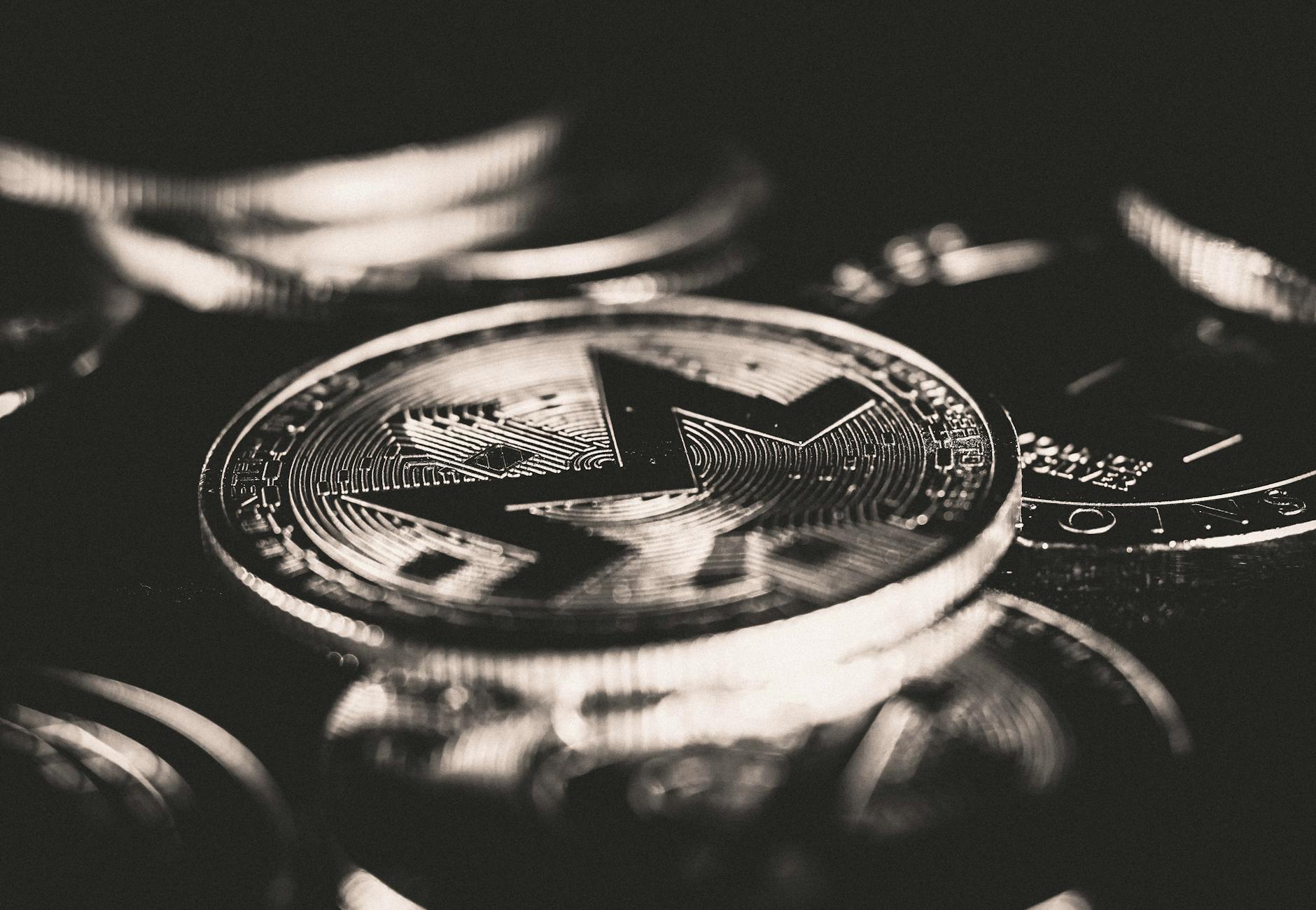
Bitcoin Miners' $19.9 Billion Sell-Off: Is This the Dip to Buy or a Bear Trap?
📌 BTC.com's Massive Bitcoin Transfer: Panic or Prudence?
🏢 Recent on-chain data has revealed a significant movement of Bitcoin from the BTC.com mining pool to the Binance exchange. According to a CryptoQuant Quicktake post, transactions totaling 186,000 BTC, currently valued at approximately $19.9 billion, were transferred over the past month. This raises critical questions about miner sentiment and its potential impact on the crypto market.
Understanding Miner-to-Exchange Flows
The "Miner to Exchange Flow" metric tracks the amount of Bitcoin moving from miner-controlled wallets to centralized exchanges. Typically, miners transfer coins to exchanges to cover operational costs, such as electricity bills, or to realize profits. However, unusually large spikes in this flow can signal increased selling pressure, potentially leading to bearish market conditions.
🏢 In this instance, the focus is specifically on Bitcoin flowing from BTC.com-affiliated wallets to Binance, offering a more granular view of this particular mining pool's activity.
Historical Context and Market Significance
Miner selling is a common occurrence in the Bitcoin ecosystem. Miners incur regular expenses and need to convert their Bitcoin rewards into fiat currency to cover these costs. However, periods of unusually high selling volume can disrupt market equilibrium. In the past, such events have often coincided with price declines, triggering further sell-offs and exacerbating bearish trends.
🏢 The timing of these transfers is particularly noteworthy. The analyst's data suggests that the spikes in BTC.com's Bitcoin flow to Binance coincided with local price bottoms, hinting at possible panic selling by the mining pool.
📌 Analyzing the Market Impact
🏢 The transfer of 186,000 BTC to Binance represents a substantial injection of supply into the market. This influx can exert downward pressure on Bitcoin's price, especially if buyers are unable to absorb the increased supply quickly. Historically, large miner sales have contributed to increased price volatility and negative investor sentiment.
Investor Sentiment and Price Volatility
The news of BTC.com's massive transfer has likely contributed to the recent bearish sentiment surrounding Bitcoin. The original news article reported that Bitcoin's price has plunged by almost 4% in the last 24 hours. If investors perceive this sell-off as a sign of underlying weakness in the market or a lack of confidence among miners, it could trigger further selling and exacerbate the price decline.
Increased volatility is a likely outcome in the short term. Traders should be prepared for potential price swings and adjust their strategies accordingly. Long-term investors should assess their risk tolerance and consider whether this dip represents a buying opportunity or a signal to reduce their exposure to Bitcoin.
Key Stakeholders' Positions
Understanding the motivations and perspectives of key stakeholders is crucial for assessing the potential impact of this event. Here's a summary of potential positions:
| Stakeholder |
Likely Position |
Impact on Investors |
| BTC.com |
Selling to cover costs, manage risk, or realize profits. |
May indicate financial strain or lack of confidence in short-term price appreciation. |
| Binance |
📊 💱 📈 Facilitating transactions, potentially profiting from increased trading volume. |
📈 Increased liquidity, but also potential for price manipulation. |
| 👥 Bitcoin Investors |
Divided; some may see it as a buying opportunity, others as a reason to sell. |
📈 Increased volatility and uncertainty in the short term. |
Long-Term Holder Activity
💱 It's also important to consider the behavior of other market participants. According to on-chain analytics firm Glassnode, long-term holders (LTHs), defined as investors holding coins for longer than 155 days, have also been distributing their holdings.
LTH spending had reached approximately $2 to $3 billion per day by early October.
This suggests a broader trend of profit-taking or risk reduction among more experienced Bitcoin holders.
🔮 Future Outlook
The future trajectory of Bitcoin's price will depend on several factors, including overall market sentiment, macroeconomic conditions, and the continued behavior of miners and long-term holders. If buying pressure remains weak and miners continue to sell off their holdings, the price could experience further declines. Conversely, if institutional investors or retail buyers step in to absorb the supply, Bitcoin could stage a recovery.
Regulatory developments will also play a significant role. Increased regulatory scrutiny or unfavorable policies could dampen investor enthusiasm and exert downward pressure on prices. Conversely, clearer regulatory frameworks and increased institutional adoption could provide a boost to the market.
📌 🔑 Key Takeaways
- BTC.com mining pool transferred 186,000 BTC to Binance, signaling potential selling pressure. This activity could have a short-term bearish effect on the market.
- Miners' selling activity often coincides with local price bottoms, possibly indicating panic selling or strategic profit-taking. Investors should monitor miner behavior closely.
- Long-term holders are also distributing their Bitcoin holdings, suggesting a broader trend of profit-taking or risk reduction. Monitor LTH activity to gauge market sentiment.
- Bitcoin's price trajectory will depend on market sentiment, macroeconomic conditions, and regulatory developments. Stay informed about regulatory changes that could impact the market.
- The surge in miner outflows, coupled with long-term holder distribution, signals a need for caution. Manage risk and consider the potential for further volatility in the short term.
🔮 Thoughts & Predictions
The recent Bitcoin miner sell-off isn't just a blip on the radar; it's a potential canary in the coal mine. While routine miner sales are expected to cover operating costs, the sheer volume of BTC.com's transfers raises serious concerns about their financial health or strategic positioning in anticipation of a deeper correction. I predict we'll see increased volatility over the next few weeks as the market digests this supply influx, potentially leading to a retest of the $18,000 support level. The key is to watch how quickly the market absorbs this supply – a slow absorption rate suggests a prolonged period of bearish sentiment and sideways trading, while a rapid recovery would indicate strong underlying demand and a potential buying opportunity.
🎯 Investor Action Tips
- Track the "Miner Outflow Multiple" metric (ratio of miner outflows to its moving average) for signs of sustained selling pressure, which could indicate further price declines.
- Consider setting tighter stop-loss orders around key support levels (e.g., $18,500, $18,000) to manage downside risk if the market turns bearish.
- Research alternative mining pools and their financial performance to understand the broader health of the mining ecosystem and potential contagion risks.
📘 Glossary for Investors
⚖️ On-Chain Metrics: Data and analytics derived directly from the blockchain, offering insights into transaction activity, wallet balances, and network health.
⚖️ Mining Pool: A collaborative group of cryptocurrency miners who combine their computational resources to increase their chances of finding a block and sharing the block reward.
🧭 Context of the Day
Increased miner selling pressure coupled with long-term holder distribution highlights current market uncertainty, demanding vigilant risk management and strategic portfolio adjustments.