Stay updated with the latest in cryptocurrency and blockchain news, delivered fast and reliably. Bookmark this page and check back often for valuable insights and timely information!
Institutional capital aggressively flows into Bitcoin ETFs, signaling a robust preference for digital gold amidst market volatility. The Liquidity Bifurcation: Why Institutional Capital is Creating a Crypto Class System Institutional money is no longer buying the crypto future; it is buying a volatility hedge. The widening chasm between Bitcoin inflows and altcoin apathy suggests the era of "all boats rising" is officially over. The first half of April 2025 has exposed a brutal reality for the digital asset market. While Bitcoin ETFs absorbed roughly $471.3 million in a single day on April 6, and Ethereum ETFs saw a substantial $120.24 million surge, the secondary market for Solana and XRP remains a ghost town. This isn't just a temporary preference; it is the structural reorganization of capital into a tiered hierarchy. ...
Get link
Facebook
X
Pinterest
Email
Other Apps
White House Pushes Crypto Law Reform: Why 2026 Midterms Kill the Bill
Get link
Facebook
X
Pinterest
Email
Other Apps
-
White House advisors signal a legislative cliff for Crypto markets as political urgency fades.
Washington's Endless Crypto Saga: Why "CLARITY" Remains a Myth Ahead of 2026
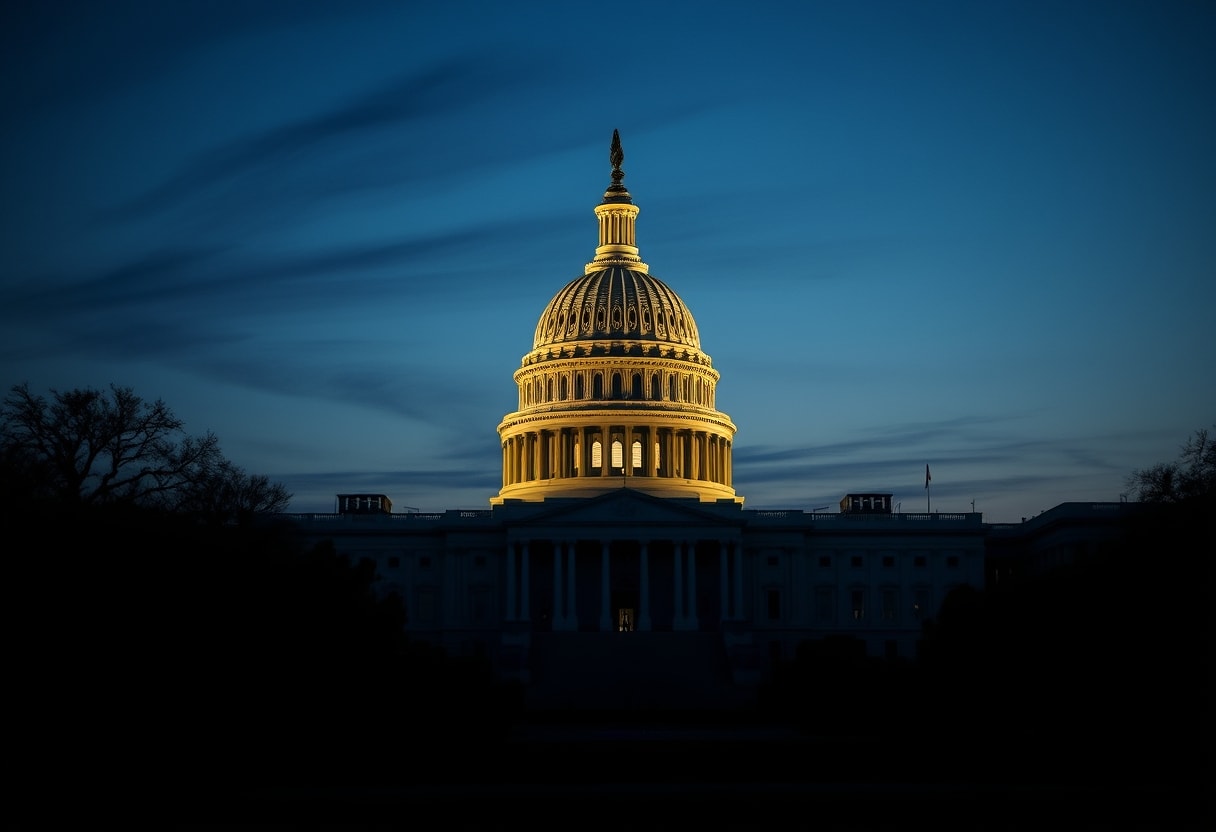
➕ Here we go again. Just when the crypto market dares to dream of a structured regulatory framework, Washington D.C. reminds us all that political inertia and self-interest trump progress. The much-vaunted CLARITY Act, poised to define the future of digital assets, is once again caught in the gears of the Capitol Hill political machine.
As a seasoned observer of these cycles, I’ve seen this play out too many times. The promise of comprehensive legislation crumbles under the weight of looming 2026 midterm elections, leaving investors to navigate another period of regulatory limbo.
Structural gridlock in Washington serves as a silent barrier to institutional Crypto adoption.
📌 The Illusion of Progress CLARITY Act Hits Political Quagmire
📜 For months, the CLARITY Act has been touted as the answer to the crypto industry's prayers. It aimed to establish a clear market structure, distinguishing between commodities and securities, and providing a roadmap for stablecoins. Yet, despite White House discussions and behind-the-scenes lobbying, the bill remains stubbornly stalled.
Patrick Witt, Executive Director of the President’s Council of Advisors for Digital Assets, hit the nail on the head, albeit with typical bureaucratic understatement: "Let’s not let any moss grow here." The truth is, the moss is already forming a thick carpet. The opportunity for bipartisan consensus is rapidly shrinking as lawmakers pivot to campaign mode.
This isn't just about sluggish policymaking; it's a calculated deferral. Complex legislation like this needs political capital, and come election season, that capital is spent on appealing to voters, not brokering nuanced deals between warring financial factions.
Stablecoins: The Unyielding Sticking Point
At the heart of the gridlock are stablecoins. Traditional banks, ever protective of their deposit bases, are vocal about their fears. They envision a scenario where loosely regulated stablecoins siphon off significant deposits, destabilizing the conventional financial system.
The contention around whether stablecoins should be allowed to offer yield has become a major obstacle. This isn't just a philosophical debate; it's about competitive advantage and systemic control. The banking lobby is a formidable force, and they're digging in their heels to protect their turf.
📌 The Ghosts of Regulation Past A Familiar Stalemate
This isn't a new script. The political paralysis we’re witnessing today mirrors the 2022 Stablecoin Regulation Debate that followed the implosion of Terra/Luna. Back then, there was an urgent call for federal action, an Executive Order on Responsible Development of Digital Assets, and numerous proposals.
Midterm election pressures force a strategic pivot in US Crypto regulatory discussions today.
🔴 The outcome? Gridlock. While there was a lot of talk, comprehensive federal legislation largely stalled. States stepped in with fragmented rules, leaving a patchwork regulatory landscape. Retail investors were, and still are, left bearing the brunt of this uncertainty, navigating a market where rules are unclear, and consumer protections are inconsistent.
In my view, this appears to be a calculated move by established financial interests, leveraging political expediency to delay any framework that might challenge their dominance. The "win-win" rhetoric often heard from industry leaders sounds hollow when juxtaposed with the reality of legislative inertia. It's an old trick: stall long enough, and the moment passes.
Today’s situation is almost identical in its core dynamic: the political calendar is dictating policy, not market needs. The difference now is the stakes are higher. The crypto market is more mature, more intertwined with traditional finance, and the potential impact of this regulatory vacuum is far greater.
📍 Market Impact Brace for Continued Volatility
The stalling of the CLARITY Act sends a clear message: regulatory uncertainty is here to stay, at least for the foreseeable future. For investors, this translates directly into continued price volatility, particularly for assets that fall into the regulatory gray areas.
We can expect an uptick in FUD (Fear, Uncertainty, and Doubt) as the midterms draw closer. Investor sentiment will likely remain cautious, potentially dampening institutional inflows that rely on clearer legal frameworks. Stablecoins, in particular, will face intensified scrutiny and may see price fluctuations as market participants react to the ongoing regulatory limbo.
👮 Sectors like DeFi, which thrive on innovation often outside traditional regulatory boundaries, might see a double-edged sword. While the lack of immediate clear rules might offer temporary freedom, it also invites future crackdowns if self-regulation doesn't mature quickly. The long-term effect is a market that remains under-leveraged and under-innovated in the U.S. compared to jurisdictions that embrace clarity.
🚩 Stakeholder Showdown Old Battles New Players
🏛️ Brian Armstrong, CEO of Coinbase, optimistically believes a "win-win" solution is within reach. He points to a "unified stance" among major crypto companies. While admirable, optimism doesn't pass bills in Washington.
Traditional banking institutions fear a deposit exodus as Stablecoin integration remains legally uncertain.
The reality is a bare-knuckle fight between entrenched banking interests, who fear deposit flight and systemic risk, and an increasingly powerful crypto lobby, desperately seeking legitimacy and clear operating guidelines. The White House, despite its stated commitment, finds itself caught in the middle, attempting to "refine" a proposal that neither side is fully ready to accept.
Stakeholder
Position/Key Detail
White House/Administration
Committed to refining CLARITY Act; pushing for passage despite political headwinds.
Patrick Witt (President's Council of Advisors for Digital Assets)
Warns time is "rapidly closing" for bill's passage due to 2026 midterms.
Lawmakers
Bipartisan consensus remains elusive, attention shifting to election cycles.
Banking Industry
Concerned about stablecoin impact on deposits; opposes stablecoins offering yield.
Crypto Industry (General)
Seeks clear regulatory framework; some leaders (e.g., Coinbase) remain optimistic.
Coinbase CEO Brian Armstrong
"Quite optimistic" for legislation within months; sees "win-win" for all parties.
💡 Key Takeaways
The CLARITY Act is stalled indefinitely due to
🏛️ 2026 midterm elections
and persistent disagreements.
Stablecoin regulation
, particularly concerning yield, is the primary hurdle, driven by banking industry fears.
This mirrors the
2022 Stablecoin Debate
, indicating a persistent pattern of political gridlock in crypto regulation.
Expect
continued market volatility and regulatory uncertainty
for digital assets, especially stablecoins.
Investor sentiment may remain cautious, impacting
institutional inflows
and U.S. innovation.
🔮 Thoughts & Predictions
The current legislative stalemate, echoing the unresolved debates of 2022, paints a clear picture for the crypto market: don't hold your breath for federal clarity anytime soon. We're looking at a continued period of regulatory ambiguity, which paradoxically fuels both risk and opportunity. While the banking lobby successfully delays comprehensive stablecoin regulation, it creates an environment ripe for jurisdictional arbitrage and the rise of offshore stablecoin innovation, potentially seeing their market cap grow another 15-20% outside direct U.S. oversight in the next 12-18 months.
The CLARITY Act faces a definitive deadline before the 2026 political cycle begins.
This gridlock, despite optimistic talk from some crypto leaders, suggests that true bipartisan consensus on crypto is still years away. The industry's "unified stance" means little when faced with the powerful financial services lobby and the political imperative of reelection. Expect to see continued legislative inertia until well after the 2026 midterms, likely forcing a more fragmented, state-by-state regulatory approach, which historically benefits no one but clever lawyers.
The real kicker? This delay isn't just about stablecoins; it's a barometer for all digital asset regulation. The continued lack of clear rules means the U.S. will likely cede leadership in critical areas of crypto innovation, pushing talent and capital to more forward-thinking jurisdictions. The long-term implication is a domestic market perpetually playing catch-up, and investors should brace for this persistent headwind.
🎯 Investor Action Tips
Monitor the political landscape closely, especially news related to the
2026 midterm elections
and Congressional committee hearings, for any shifts in regulatory sentiment.
Diversify your stablecoin exposure, considering assets from jurisdictions with clearer regulatory frameworks outside the U.S. to mitigate domestic regulatory risk.
Prioritize investments in projects that have demonstrated resilience in diverse regulatory environments or offer utility beyond mere speculation, reducing reliance on immediate legislative clarity.
Research the lobbying efforts and political contributions of major crypto and banking players; these often signal where the true power dynamics lie and what outcomes are likely.
📘 Glossary for Serious Investors
⚖️ CLARITY Act: Proposed U.S. legislation aimed at establishing a comprehensive regulatory framework for digital assets, defining roles for various agencies and asset classifications.
💹 Yield: In the context of stablecoins, refers to earning returns (interest or rewards) on stablecoin holdings, often through lending protocols or staking mechanisms.
🧭 Context of the Day
The indefinite stalling of crypto regulation confirms that political self-interest continues to override market clarity, demanding investors adapt to prolonged uncertainty.
💬 Investment Wisdom
"In Washington, the urgent always crowds out the important until the crisis arrives." — Dwight D. Eisenhower
Tokenization boom accelerates: XRP ecosystem integrates $50T property. RWA crypto, digital assets, blockchain real estate. Epic Chain's XRP Integration: A Trillion-Dollar RWA Opportunity? 🔗 Epic Chain, a project supported by Ripple, is making significant strides in the tokenization of real-world assets (RWAs) by leveraging the XRP Ledger. This initiative aims to bring trillions of dollars worth of assets onto the blockchain, potentially revolutionizing how real estate, credit, commodities, and collectibles are managed and traded. But what does this mean for crypto investors? 📌 Ripple's Backing and Epic Chain's RWA Platform Epic Chain is positioning itself at the forefront of the RWA tokenization movement with its XRP-native platform. The platform is designed to facilitate the transfer of real estate, credit, commodities, and collectibles onto the XRP Ledg...
Digital asset forecast analyzing upcoming volatility: crypto market, next bull run, BTC price. Bitcoin's "Moonvember" Hopes Tempered by Market Realities: A Deep Dive for Investors 📌 Navigating Bitcoin's November Crossroads: Will History Repeat? The cryptocurrency market is at a fascinating juncture as we enter November 2025. Bitcoin, fresh off a somewhat disappointing "Uptober" where it retraced over 10% after briefly touching $126,000 , faces a pivotal month. Historically, November, often referred to as "Moonvember," has been a strong period for Bitcoin. But can historical trends overcome current market headwinds? To understand the present, it's essential to acknowledge the past. Bitcoin's price action has often followed predictable seasonal patterns. October and November, in particular, have been associated with bullish...
Introducing Solana's pivotal network upgrade, symbolizing growth and advancement. Solana's Alpenglow Upgrade: A Game-Changer for On-Chain Trading and Network Stability 🔗 Solana, a network long celebrated for its blistering speed and low transaction fees, has also navigated its share of stability challenges. As we move into 2025, a critical evolution is on the horizon: the Alpenglow consensus overhaul . This isn't just another incremental update; it's a fundamental reimagining of Solana's core architecture, poised to address longstanding concerns regarding validator performance, network stability, and long-term scalability. For investors, understanding this seismic shift is paramount, as it could significantly redefine SOL's competitive edge and its role within the broader blockchain ecosystem . 📌 🚀 The Alpenglow Evolution: Diving ...