Stay updated with the latest in cryptocurrency and blockchain news, delivered fast and reliably. Bookmark this page and check back often for valuable insights and timely information!
Digital finance's next chapter unfolds as a major exchange embraces public markets. The Exchange Paradox: Why Kraken’s IPO and Deutsche Börse’s $200M Bet Signal the Death of Pure-Play Crypto The $200 million entry of Deutsche Börse into Kraken’s cap table isn't just a strategic partnership—it is a formal declaration that the era of the "independent" crypto exchange is over. By aligning with one of Europe's largest exchange operators, Kraken is signaling that the path to a public listing requires more than just high volume; it requires a structural surrender to the traditional financial architecture. This move, confirmed via a confidential IPO filing, represents the final step in a decade-long transition from cypherpunk experimentation to regulated market infrastructure. The irony is sharp: while promising to empower users with the tool...
Get link
Facebook
X
Pinterest
Email
Other Apps
Figure Data Leak Risks Bitcoin Users: A 2.5GB Breach Exposes Fragility
Get link
Facebook
X
Pinterest
Email
Other Apps
-
Human fallibility remains the primary vector for compromising institutional Bitcoin security protocols today.
Figure's Data Leak: A Wake-Up Call for Crypto Investors Beyond the Blockchain
📍 The Illusion of Imperviousness Figures Breach and the Human Element
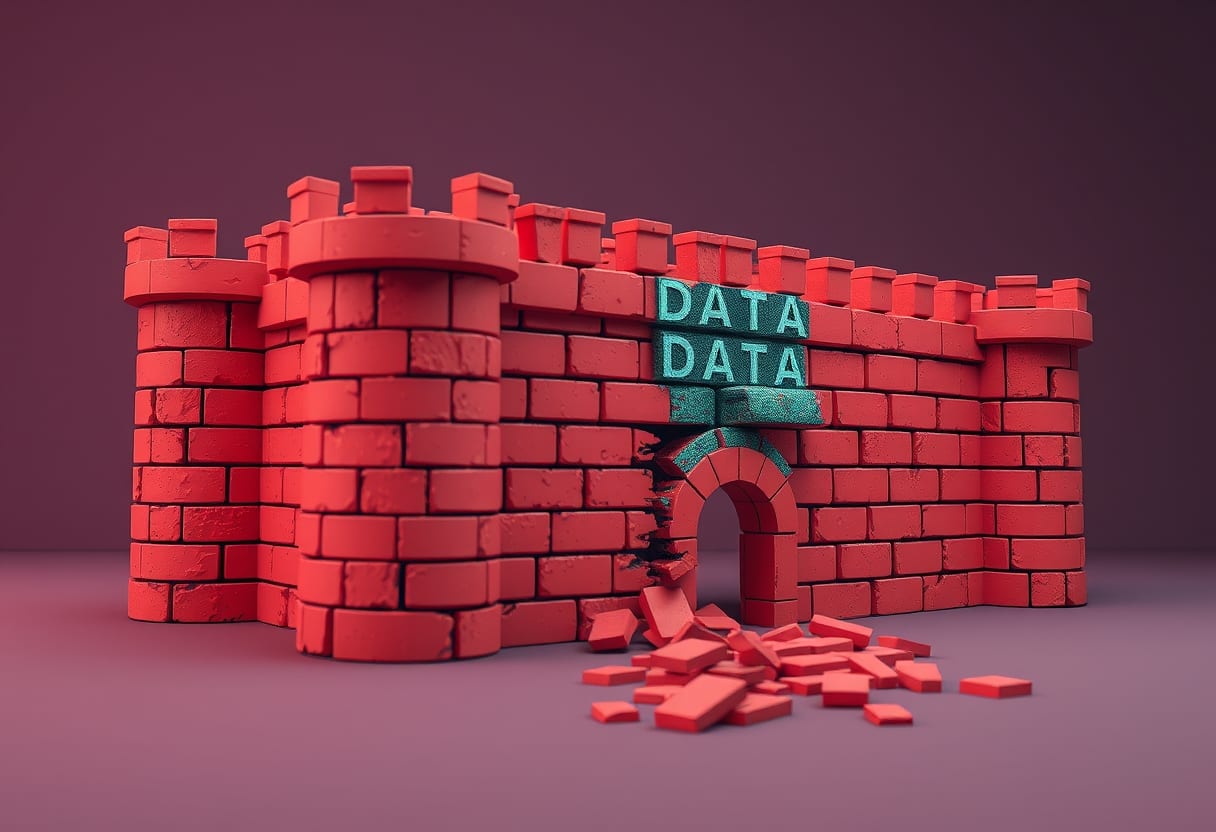
🔗 In a stark reminder that even innovative fintech firms operate at the mercy of human frailty, Figure Technology has confirmed a significant data leak. An employee, ensnared by sophisticated social engineering, inadvertently became the vector for a 2.5GB data heist. This isn't a glitch in their blockchain tech; it's a cold, hard lesson in cybersecurity 101.
🔓 The stolen records, now brazenly dumped online by the infamous hacker collective ShinyHunters after reported ransom talks soured, contain a treasure trove for identity thieves. Full names, home addresses, dates of birth, and phone numbers – these are not just data points; they are keys to unlocking potential financial ruin for unsuspecting individuals.
Regulatory scrutiny of Bitcoin fintech firms will likely intensify following this massive structural oversight.
📌 Historical Echoes When Not a Blockchain Flaw Still Hurts
Let's be clear: when a company states the breach "did not stem from a flaw in its blockchain system," it's a carefully crafted deflection. While technically true that the DLT wasn't compromised, the vulnerability exploited was foundational: human trust. This isn't a new script. History is littered with examples of "secure" systems brought down by the weakest link—a person.
The incident underscores a critical paradox in the crypto world: we laud immutable ledgers and decentralized security, yet our personal data, often held by centralized intermediaries like Figure, remains exposed. This blend of cutting-edge tech and archaic human vulnerability creates a volatile cocktail for investors.
The PII Problem: More Than Just 'Personal Details'
🎣 What's truly alarming is the nature of the exposed data. Full names, home addresses, dates of birth, and phone numbers. These aren't just details; they are the building blocks of identity fraud and highly targeted scams. Even if your crypto wallet remains technically untouched, this kind of personal information is the blueprint for a social engineering attack directly on you.
Security researchers have repeatedly warned that these data types are golden tickets for bad actors. Think phishing calls mimicking legitimate entities, fake loan offers designed to extract more sensitive data, or account takeover attempts targeting other services where users might reuse credentials. The ripple effects can be long and painful.
A 2.5GB data dump signifies the fragility of centralized repositories holding sensitive Bitcoin user data.
📍 Market Impact Analysis Trust Volatility and the Regulatory Gaze
⚖️ While Figure's core lending operations and on-chain systems are reportedly secure, the reputational damage is undeniable. In the crypto space, trust is the ultimate currency. A breach like this, even if external to the blockchain, erodes confidence in the broader ecosystem, particularly for platforms that bridge traditional finance and crypto.
Expect short-term FUD (Fear, Uncertainty, Doubt) to spread, potentially leading to increased volatility for tokens associated with hybrid fintech models. Longer term, this incident is a flashing red light for regulators. They are already circling, eager to assert control over the digital asset space. Breaches like Figure's provide them with potent ammunition to demand stricter oversight and compliance, which could mean heavier burdens for projects and potentially slower innovation cycles.
Beyond the Price Chart: The Cost of Complacency
This event isn't about immediate price action for Bitcoin or Ethereum. It's about the systemic risk of centralized data custodians within a decentralized vision. Investors need to understand that the security of their personal information, and thus their broader financial identity, can be compromised even when their on-chain assets are theoretically safe.
🏴☠️ The incident also highlights the continued allure of financial companies as targets. They hold the data that hackers crave. A single employee's misplaced trust, a moment of weakness, can open a door to immense damage. This isn't just Figure's problem; it's a vulnerability inherent in any centralized entity interacting with the crypto world.
📍 Stakeholder Analysis & Historical Parallel The Ledger Lesson of 2020
In my view, this Figure data leak appears to be a calculated move by ShinyHunters to monetize breached data, following a familiar pattern of rejecting ransom negotiations and opting for public exposure. The real victims are, as always, the retail customers. This situation mirrors the 2020 Ledger Data Breach almost perfectly.
Social engineering maneuvers bypass sophisticated encryption to siphon personal details from major Bitcoin lenders.
🚫 In 2020, Ledger, a prominent hardware wallet provider, suffered a significant breach of its marketing database. This leak exposed the personal information—names, email addresses, phone numbers, and even physical addresses—of hundreds of thousands of customers. The outcome was devastating for many users: a relentless wave of highly convincing phishing emails, SMS scams, and even alarming physical threats to customers' homes, all leveraging the stolen PII.
📜 The key lesson learned from Ledger was brutal: even if your crypto funds are secured by a hardware wallet, your personal safety and digital identity are critically vulnerable when linked PII is leaked. The "funds are safe" narrative provides little comfort when you're fending off constant scam attempts or looking over your shoulder.
📜 Today's Figure breach is identical in its core vector (non-blockchain human vulnerability) and its potential outcome for retail users. It's different only in the specific company and the context of their business. The underlying truth remains: centralized entities holding PII are honey pots, and their failures directly translate into increased risk for users who trust them with their sensitive data. This isn't just about their security; it's about your security.
📌 Summary Table Key Players and Their Positions
Stakeholder
Position/Key Detail
Figure Technology
Confirmed breach via social engineering; "not blockchain flaw"; offered credit monitoring.
ShinyHunters
Claimed responsibility for the breach; posted 2.5GB data online after ransom talks failed.
Affected Customers
Personal data exposed (names, addresses, DOB, phone numbers); high risk of identity fraud/scams.
⚖️ Security Researchers
📍 Warn of severe risks from PII leaks, including phishing, account takeovers, and targeted fraud.
Regulators
📈 Expected to scrutinize incident; potential for increased demands for data security compliance.
📍 Future Outlook A Tightening Noose and Shifting Sands
📜 Expect regulators to seize on this incident. The calls for a comprehensive "stablecoin regulation" framework could easily expand to broader "crypto regulations" encompassing data security for any firm touching digital assets. This isn't just about consumer protection; it's about systemic control. More scrutiny means higher compliance costs for companies and potentially less agility for the sector.
For investors, this reinforces the need for extreme vigilance. The trend toward self-custody will likely accelerate, not just for crypto assets but also for the minimization of personal data shared with third-party platforms. The market will increasingly favor projects that prioritize not just code security, but also robust data privacy practices and transparent handling of user information.
The breakdown of ransom negotiations often leads to the public exposure of Bitcoin client records.
🔑 Key Takeaways
Vulnerability is Human: Despite advanced tech, social engineering remains a critical attack vector, exposing personal data even when core blockchain systems are secure.
PII is a High-Value Target: Leaked personal identifiable information (PII) directly fuels identity fraud and targeted scams against crypto users, irrespective of wallet security.
Regulatory Onslaught Incoming: Data breaches like Figure's hand regulators more justification to impose stricter data security and compliance requirements on crypto-related businesses.
Trust Erosion: Such incidents erode investor confidence in centralized platforms bridging TradFi and crypto, pushing users towards greater self-custody and privacy-focused solutions.
🔮 Thoughts & Predictions
The Figure breach is a stark reminder that while blockchain immutability protects funds, the centralized on-ramps and off-ramps are still leaky buckets for personal data. This isn't just about a company's oversight; it's a systemic vulnerability that, as the 2020 Ledger incident taught us, turns users into prime targets for sophisticated, personalized phishing and fraud attempts. We will see an immediate surge in scam attempts mimicking Figure and related entities, preying on user anxiety.
From a market perspective, this strengthens the long-term narrative for truly decentralized solutions and privacy-preserving technologies. Expect to see greater investor interest—and institutional capital—flow into projects that offer robust privacy layers or genuinely minimize the collection of PII, moving beyond mere marketing claims. This breach highlights the inherent conflict between institutional KYC/AML demands and user privacy, pushing the industry toward innovative, compliance-friendly privacy tech.
Ultimately, the "funds are safe" mantra from Figure rings hollow for anyone who's had their identity compromised. This will catalyze a push, albeit gradual, for a new standard of "user safety" that goes beyond just crypto assets and encompasses holistic digital identity protection. The regulatory response will be swift, likely resulting in increased compliance overhead for any entity that processes crypto transactions and holds PII, potentially stifling smaller innovative players.
🎯 Investor Action Tips
Minimize PII Exposure: Evaluate all crypto platforms for their PII collection policies. Only provide absolutely necessary information.
Enhance Personal Digital Security: Implement robust 2FA everywhere, use unique strong passwords, and consider a dedicated email for crypto interactions.
Monitor for Phishing: Be hyper-vigilant for unsolicited communications (emails, SMS, calls) claiming to be from Figure or other financial institutions; verify independently.
Research Privacy Protocols: Explore projects and protocols that prioritize user privacy and minimize personal data collection or utilize zero-knowledge proofs.
📘 Glossary for Serious Investors
👾 Social Engineering: A psychological manipulation technique used by attackers to trick individuals into divulging confidential information or performing actions that benefit the attacker, often by impersonating trusted entities.
🛡️ PII (Personally Identifiable Information): Any data that could potentially identify a specific individual. Examples include names, addresses, dates of birth, phone numbers, and Social Security numbers.
🧭 Context of the Day
Today's Figure data leak starkly reminds investors that while crypto assets might be "on-chain secure," human vulnerability in centralized services remains a critical attack vector for personal identity.
💬 Investment Wisdom
"Trust is the only currency that cannot be recovered once spent on a leaked server." — Veteran Fintech Analyst
Tokenization boom accelerates: XRP ecosystem integrates $50T property. RWA crypto, digital assets, blockchain real estate. Epic Chain's XRP Integration: A Trillion-Dollar RWA Opportunity? 🔗 Epic Chain, a project supported by Ripple, is making significant strides in the tokenization of real-world assets (RWAs) by leveraging the XRP Ledger. This initiative aims to bring trillions of dollars worth of assets onto the blockchain, potentially revolutionizing how real estate, credit, commodities, and collectibles are managed and traded. But what does this mean for crypto investors? 📌 Ripple's Backing and Epic Chain's RWA Platform Epic Chain is positioning itself at the forefront of the RWA tokenization movement with its XRP-native platform. The platform is designed to facilitate the transfer of real estate, credit, commodities, and collectibles onto the XRP Ledg...
Digital asset forecast analyzing upcoming volatility: crypto market, next bull run, BTC price. Bitcoin's "Moonvember" Hopes Tempered by Market Realities: A Deep Dive for Investors 📌 Navigating Bitcoin's November Crossroads: Will History Repeat? The cryptocurrency market is at a fascinating juncture as we enter November 2025. Bitcoin, fresh off a somewhat disappointing "Uptober" where it retraced over 10% after briefly touching $126,000 , faces a pivotal month. Historically, November, often referred to as "Moonvember," has been a strong period for Bitcoin. But can historical trends overcome current market headwinds? To understand the present, it's essential to acknowledge the past. Bitcoin's price action has often followed predictable seasonal patterns. October and November, in particular, have been associated with bullish...
Introducing Solana's pivotal network upgrade, symbolizing growth and advancement. Solana's Alpenglow Upgrade: A Game-Changer for On-Chain Trading and Network Stability 🔗 Solana, a network long celebrated for its blistering speed and low transaction fees, has also navigated its share of stability challenges. As we move into 2025, a critical evolution is on the horizon: the Alpenglow consensus overhaul . This isn't just another incremental update; it's a fundamental reimagining of Solana's core architecture, poised to address longstanding concerns regarding validator performance, network stability, and long-term scalability. For investors, understanding this seismic shift is paramount, as it could significantly redefine SOL's competitive edge and its role within the broader blockchain ecosystem . 📌 🚀 The Alpenglow Evolution: Diving ...