Stay updated with the latest in cryptocurrency and blockchain news, delivered fast and reliably. Bookmark this page and check back often for valuable insights and timely information!
High-speed infrastructure reflects the expanding capacity for Ethereum to handle massive global settlement volumes as it matures. The Silent Siphon: Ethereum's Economic Machine Thrives Beneath the Surface ⚖️ For those of us who've navigated the choppy waters of global finance for two decades, the current narrative surrounding Ethereum (ETH) feels eerily familiar. While much of the crypto commentariat fixates on daily price fluctuations, the real story unfolds quietly, deep within the network's foundational layers. Ethereum’s economic engine is humming, hitting record growth metrics, yet its market price often seems to lag behind. This isn't a bug; it's a feature, and it’s one that savvy investors need to dissect with a cynical eye. ETH Price Trend Last 7 Days ...
Get link
Facebook
X
Pinterest
Email
Other Apps
Tether Buys 8,888 Bitcoin Reserve: CEO Ardoino Confirms Q4 2025 Treasury Expansion - What's Next for USDT?
Get link
Facebook
X
Pinterest
Email
Other Apps
-
Building a substantial Bitcoin treasury through strategic acquisitions.
Tether's Bold Bitcoin Accumulation in Q4 2025: A Deep Dive for Crypto Investors
📌 Event Background and Significance: Tether's BTC Strategy Unpacked
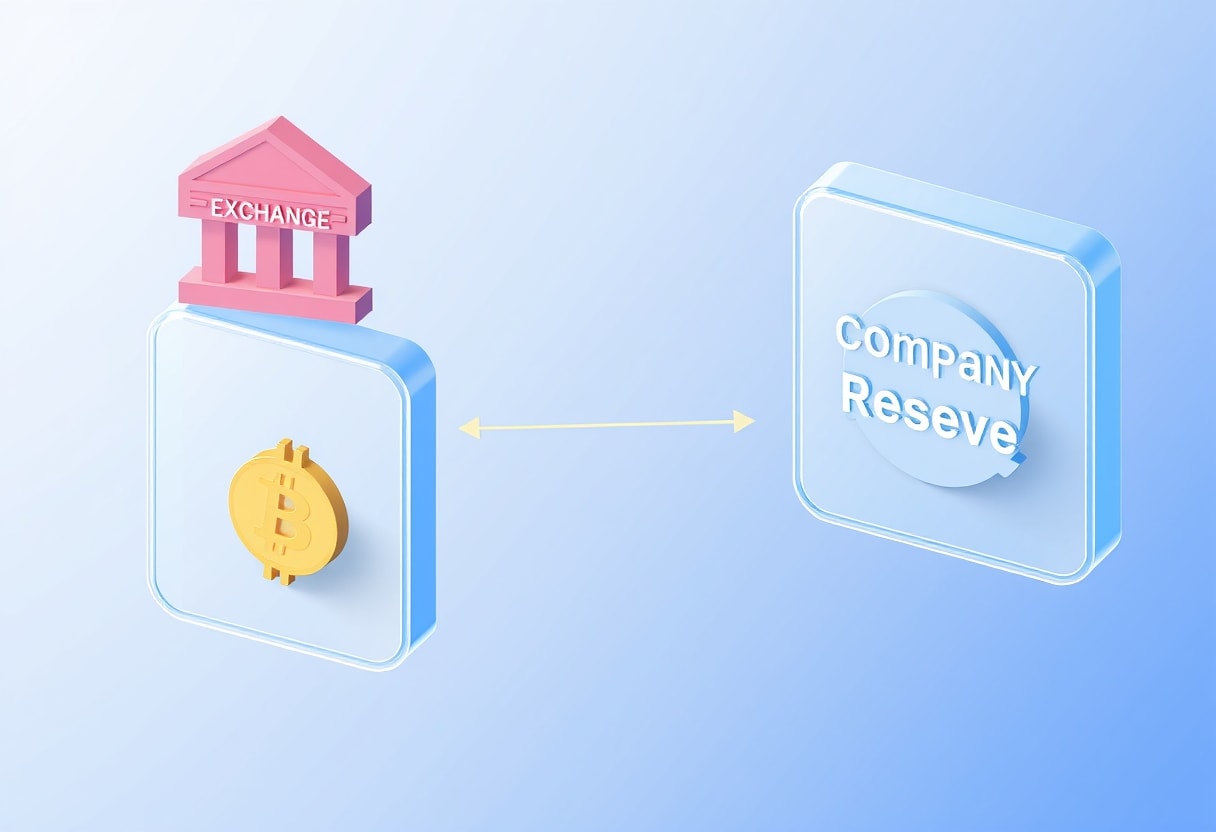
In a significant move that underscores continued institutional confidence in digital assets, Tether, the issuer of the world's largest stablecoin, USDT, substantially expanded its Bitcoin treasury during the fourth quarter of 2025. CEO Paolo Ardoino recently confirmed this strategic accumulation, revealing the transfer of exactly 8,888.8888888 BTC from the cryptocurrency exchange Bitfinex to Tether's dedicated Bitcoin reserve. This latest acquisition, valued at approximately $778.7 million at the time of transaction, brings Tether's total Bitcoin holdings to an impressive 96,370 BTC, worth over $8.46 billion.
Tether first announced its intention to build a Bitcoin reserve in 2023, committing to regularly allocate 15% of its net realized operating profits to the flagship cryptocurrency. This strategy was not merely about diversification; it was a clear signal to the market about the strength and forward-thinking approach backing USDT. By holding Bitcoin, Tether aims to fortify its reserves beyond traditional assets, reflecting a belief in BTC's long-term value appreciation and its role as a digital store of value.
Illustrating the significant increase in Bitcoin reserves over a quarter.
⚖️ The scale of Tether's Bitcoin treasury is truly remarkable. With 96,370 BTC, it dwarfs the holdings of most publicly traded companies in the crypto space. For perspective, MARA Holdings, the second-largest public Bitcoin treasury company, holds only 53,250 BTC, valued at around $4.68 billion. While Tether's reserve is substantial, it still pales in comparison to MicroStrategy, led by Michael Saylor, which continues its aggressive accumulation. MicroStrategy's latest purchase of 1,229 BTC brought its total to an astounding 672,497 BTC by the end of 2025, valued at over $59.1 billion.
What makes Tether's Q4 2025 accumulation particularly noteworthy is its timing. The broader cryptocurrency market, including Bitcoin, has been experiencing a bearish phase since a peak in October 2025. This persistent accumulation by major players like Tether and MicroStrategy during a downturn signals a deep-seated conviction in Bitcoin's long-term trajectory, even amidst short-term price corrections. For investors, this institutional "buy the dip" mentality from dominant entities can serve as a powerful indicator of underlying market confidence.
📌 Market Impact Analysis: What This Means for Crypto Investors
Tether's significant Bitcoin purchase carries multifaceted implications for the crypto market, influencing investor sentiment, market dynamics, and potentially the future of stablecoin perception.
In the short term, such large-scale institutional accumulation, especially from a bellwether like Tether, can inject a dose of positive sentiment. It reassures investors that major players remain committed to Bitcoin, potentially cushioning further downside during a bearish trend. However, given the broader market's bearish momentum since October 2025, a single large purchase, while impactful, may not immediately reverse the trend. We might see temporary price bumps or increased volatility as traders react to the news, but sustained upward movement requires broader market catalysts.
💰 The long-term effects are more profound. By consistently allocating a portion of its profits to Bitcoin, Tether is signaling its belief in BTC as a robust reserve asset. This move could increase confidence in USDT itself, suggesting that its backing is not only diversified but also includes an appreciating, decentralized asset. This might help Tether maintain its dominance in the stablecoin sector, which, despite its massive market cap of $308 billion (with USDT comprising $187 billion), has seen its growth flatline since October 2025, as shown by DefiLlama data. A stronger reserve potentially reduces perceived risks associated with stablecoin backing, making USDT an even more attractive and reliable medium for liquidity in DeFi and trading.
Facilitating a massive Bitcoin transfer from an exchange to a dedicated reserve.
This ongoing institutional accumulation also highlights a critical trend: the financialization of Bitcoin. As more corporations and treasuries adopt BTC as a strategic asset, it solidifies its position beyond speculative trading. This transformation can lead to increased market maturity and potentially reduce extreme volatility over time, making Bitcoin a more palatable asset for traditional financial institutions and conservative investors.
💱 For stablecoins, Tether's strategy could set a precedent. If major stablecoin issuers increasingly diversify their reserves with cryptocurrencies like Bitcoin, it might influence future regulatory discussions around stablecoin backing, potentially legitimizing a mix of traditional and digital assets. This move doesn't just affect Bitcoin; it subtly redefines the future of how stablecoins are perceived and structured, moving beyond pure fiat backing to include digital commodities.
While Bitcoin is currently trading around $87,900, down 0.5% over the last week, these institutional purchases often precede periods of recovery or sustained growth. They underscore strong demand from sophisticated entities who are less swayed by daily price fluctuations and more focused on long-term value accrual.
📌 Key Stakeholders’ Positions
Understanding the motivations and arguments of various stakeholders is crucial for grasping the full picture of Tether's Bitcoin strategy.
Tether and Paolo Ardoino: The company's stance, articulated by CEO Paolo Ardoino, is one of strategic foresight and confidence in Bitcoin. Their argument for accumulating BTC is multi-faceted: it serves as a robust store of value, a hedge against inflation, and a means to diversify and strengthen Tether's reserves. By converting a portion of net operating profits into Bitcoin, Tether aims to enhance the long-term stability and resilience of its backing assets, implicitly offering greater assurance to USDT holders. This proactive measure also positions Tether as an industry leader, embracing digital assets not just as a product but as a core component of its treasury management.
Industry Leaders (e.g., MicroStrategy, Michael Saylor): Figures like Michael Saylor, chairman of MicroStrategy, have been vocal proponents of Bitcoin as a treasury asset. Their position is rooted in the belief that Bitcoin offers superior long-term appreciation potential compared to traditional fiat or fixed-income assets, acting as a "digital gold" that de-risks corporate balance sheets from inflationary pressures. Tether's actions align perfectly with this narrative, reinforcing the idea that smart corporate treasury management in the 21st century involves strategic Bitcoin allocation.
Tether's headquarters, a hub for stablecoin innovation and reserve management.
📜 Regulators: While not directly quoted on this specific purchase, the underlying context of Tether's strategy invariably touches upon regulatory concerns. Stablecoin regulation remains a hot topic, with authorities globally scrutinizing the quality and transparency of stablecoin reserves. Tether's decision to back USDT with a substantial and growing Bitcoin reserve could be viewed in two ways by regulators: on one hand, it could be seen as a progressive move towards diversified, non-fiat backing, enhancing resilience. On the other, some regulators might prefer purely fiat-backed reserves for simplicity and direct oversight, potentially raising new questions about the volatility and liquidity of crypto assets in stablecoin backing. Tether's transparency regarding its holdings on-chain, however, could alleviate some concerns.
Crypto Investors: Investor sentiment is typically bifurcated. Many see Tether's continuous accumulation as a strong bullish signal, validating Bitcoin's long-term investment thesis and signaling robust institutional demand. It instills confidence, especially during bearish periods, that smart money is still buying. Conversely, some investors might raise concerns about the concentration of Bitcoin holdings, fearing potential market manipulation or centralization risks if too much of the asset is held by a few large entities. This highlights the ongoing debate between decentralized ideals and institutional adoption within the crypto community.
Stakeholder
Position/Key Detail
Tether / Paolo Ardoino
📈 Strategic BTC accumulation (8,888 BTC in Q4 2025) to strengthen USDT reserves; long-term bullish on Bitcoin.
MicroStrategy / Michael Saylor
Aggressive, unwavering accumulation of Bitcoin as a primary treasury asset; leading corporate BTC holder (672,497 BTC).
Regulators (Implied)
Scrutiny on stablecoin reserve quality; mixed views on crypto-backed reserves (diversification vs. volatility concerns).
👥 Crypto Investors
Positive signal for long-term BTC value; potential concerns over centralization of holdings.
📌 Future Outlook: Navigating the Road Ahead
Tether's consistent Bitcoin accumulation, particularly during market downturns, offers significant clues about the potential evolution of the crypto market and its regulatory landscape. This strategy suggests that we are likely to see a continued trend of major crypto entities and even traditional corporations integrating Bitcoin into their treasury management.
💧 The regulatory environment surrounding stablecoins is a critical area to watch. As stablecoin issuers like Tether diversify their reserves to include cryptocurrencies, regulators may be compelled to develop more nuanced frameworks. We could see a shift from solely fiat-backed stablecoin requirements to broader guidelines that accommodate a mix of high-quality, liquid digital assets. This might lead to increased scrutiny on the transparency and liquidity of these digital asset reserves, potentially spurring clearer reporting standards and audit requirements. Conversely, a prolonged period of stability for Tether (backed partly by BTC) might prove the viability of such models, easing regulatory resistance.
The crypto market itself is set to become even more intertwined with institutional activity. As large players solidify their Bitcoin holdings, the market may gain greater stability, with fewer extreme price swings driven purely by retail sentiment. This institutional "floor" of demand could act as a buffer during future corrections, making Bitcoin a more mature asset class. We might also see increased development of financial products around BTC-backed stablecoins, further integrating these two fundamental pillars of the crypto economy.
💱 For investors, this presents both opportunities and risks. The most apparent opportunity is the continued long-term appreciation of Bitcoin, supported by consistent institutional demand that views BTC as a generational store of value. This can translate into healthier underlying fundamentals for the entire crypto ecosystem. Furthermore, as stablecoins gain robust, diversified backing, they become even more crucial for liquidity and trading across DeFi and centralized exchanges, enhancing the overall functionality and appeal of the crypto space. Investors should monitor how other stablecoin issuers react; a similar pivot could accelerate broader institutional adoption of digital assets as reserves.
Maintaining USDT's peg to the US dollar, the largest stablecoin by market cap.
However, risks also persist. A high concentration of Bitcoin in the hands of a few entities, while signaling confidence, could also lead to concerns about market manipulation or undue influence, attracting anti-trust scrutiny. Moreover, unforeseen regulatory changes regarding the composition of stablecoin reserves could introduce volatility. Investors must remain vigilant, understanding that while institutional adoption often brings stability, it can also bring new forms of centralized power and potential regulatory friction.
📌 🔑 Key Takeaways
Tether's Q4 2025 purchase of 8,888 BTC signifies continued strong institutional confidence in Bitcoin, even during bearish market phases.
This strategic move strengthens USDT's reserves, potentially bolstering investor trust in the world's largest stablecoin and its long-term viability.
Large-scale corporate accumulation from entities like Tether and MicroStrategy underscores Bitcoin's growing role as a treasury asset and a hedge against inflation.
The trend of stablecoins diversifying reserves with BTC could influence future stablecoin regulations, pushing for more comprehensive and adaptive frameworks.
Investors should view this as a bullish long-term signal for Bitcoin, but remain aware of potential market concentration risks and evolving regulatory landscapes.
🔮 Thoughts & Predictions
The market often speaks loudest through the actions of its largest players, and Tether's Q4 2025 Bitcoin accumulation is a deafening roar of long-term conviction. It’s becoming increasingly clear that Bitcoin has firmly cemented its role as a strategic treasury asset, not just for crypto-native firms but as a viable alternative to traditional safe havens. This sustained "buy the dip" mentality from institutions like Tether and MicroStrategy, despite the broader crypto market's bearish phase since October 2025, suggests that the smart money views current price levels as opportune entry points, signaling resilience and underlying strength.
From my perspective, the key factor here is the subtle but significant impact on the stablecoin narrative. Tether is not just accumulating BTC; it's actively demonstrating a diversified reserve strategy. This could pave the way for a more sophisticated stablecoin regulatory environment, potentially shifting focus from mere fiat-pegging to a more holistic view of asset-backed stability. We might see other stablecoin issuers follow suit, leading to a "flight to quality" within stablecoins themselves, where those with transparent, diversified, and appreciating reserves gain a competitive edge.
Looking ahead, I predict that this trend of institutional Bitcoin accumulation will continue to act as a critical long-term price support, absorbing selling pressure and providing a robust foundation for the next bull cycle. Expect Bitcoin to command even greater institutional mindshare in 2026, with increasing corporate and sovereign wealth fund interest driving its market cap toward unprecedented levels. The question is not if, but when, this deep-seated institutional demand will visibly manifest in sustained price appreciation, pushing past the $100,000 psychological barrier in the medium term.
🎯 Investor Action Tips
Monitor Institutional Accumulation: Keep a close eye on public announcements and on-chain data for major corporate and institutional Bitcoin purchases, as these often signal long-term bullish sentiment.
Evaluate Stablecoin Reserve Transparency: Prioritize stablecoins that offer clear, audited insights into their reserve composition, especially those actively diversifying with robust digital assets like Bitcoin.
Consider Long-Term Bitcoin DCA: During bearish or sideways markets, a Dollar-Cost Averaging (DCA) strategy for Bitcoin can be effective, leveraging institutional "buy the dip" behavior for future gains.
Stay Informed on Regulatory Shifts: Pay attention to evolving stablecoin regulations globally, as new rules regarding reserve assets could significantly impact market dynamics and investor confidence.
🧭 Context of the Day
Tether's significant Bitcoin accumulation during a bearish phase solidifies BTC's role as a primary treasury asset and signals unwavering institutional confidence for future market recovery.
📈 BITCOIN Market TrendLast 7 Days
Date
Price (USD)
7D Change
12/26/2025
$87,229.78
+0.00%
12/27/2025
$87,305.96
+0.09%
12/28/2025
$87,807.00
+0.66%
12/29/2025
$87,822.91
+0.68%
12/30/2025
$87,156.56
-0.08%
12/31/2025
$88,414.63
+1.36%
1/1/2026
$87,520.18
+0.33%
1/2/2026
$88,428.45
+1.37%
Data provided by CoinGecko Integration.
💬 Investment Wisdom
"The biggest risk is not taking any risk... In a world that is changing really quickly, the only strategy that is guaranteed to fail is not taking risks." — Mark Zuckerberg
Digital asset forecast analyzing upcoming volatility: crypto market, next bull run, BTC price. Bitcoin's "Moonvember" Hopes Tempered by Market Realities: A Deep Dive for Investors 📌 Navigating Bitcoin's November Crossroads: Will History Repeat? The cryptocurrency market is at a fascinating juncture as we enter November 2025. Bitcoin, fresh off a somewhat disappointing "Uptober" where it retraced over 10% after briefly touching $126,000 , faces a pivotal month. Historically, November, often referred to as "Moonvember," has been a strong period for Bitcoin. But can historical trends overcome current market headwinds? To understand the present, it's essential to acknowledge the past. Bitcoin's price action has often followed predictable seasonal patterns. October and November, in particular, have been associated with bullish...
Tokenization boom accelerates: XRP ecosystem integrates $50T property. RWA crypto, digital assets, blockchain real estate. Epic Chain's XRP Integration: A Trillion-Dollar RWA Opportunity? 🔗 Epic Chain, a project supported by Ripple, is making significant strides in the tokenization of real-world assets (RWAs) by leveraging the XRP Ledger. This initiative aims to bring trillions of dollars worth of assets onto the blockchain, potentially revolutionizing how real estate, credit, commodities, and collectibles are managed and traded. But what does this mean for crypto investors? 📌 Ripple's Backing and Epic Chain's RWA Platform Epic Chain is positioning itself at the forefront of the RWA tokenization movement with its XRP-native platform. The platform is designed to facilitate the transfer of real estate, credit, commodities, and collectibles onto the XRP Ledg...
Introducing Solana's pivotal network upgrade, symbolizing growth and advancement. Solana's Alpenglow Upgrade: A Game-Changer for On-Chain Trading and Network Stability 🔗 Solana, a network long celebrated for its blistering speed and low transaction fees, has also navigated its share of stability challenges. As we move into 2025, a critical evolution is on the horizon: the Alpenglow consensus overhaul . This isn't just another incremental update; it's a fundamental reimagining of Solana's core architecture, poised to address longstanding concerns regarding validator performance, network stability, and long-term scalability. For investors, understanding this seismic shift is paramount, as it could significantly redefine SOL's competitive edge and its role within the broader blockchain ecosystem . 📌 🚀 The Alpenglow Evolution: Diving ...