Sovereign Wealth Funds Accumulate Bitcoin: Is Tokenization the Future?
📌 Event Background and Significance
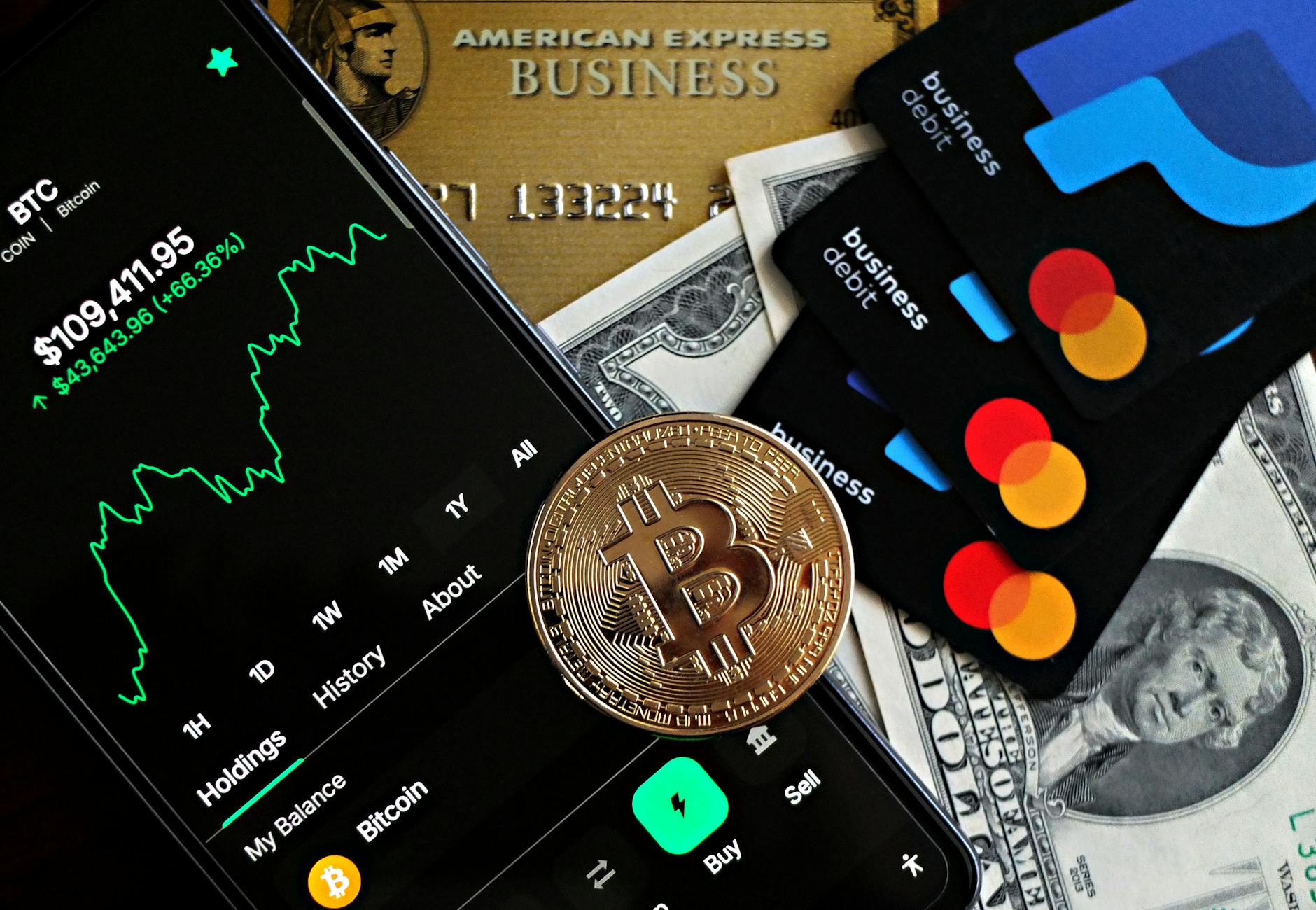
💰 Bitcoin has shown remarkable resilience this week, rebounding by 8% to surpass $93,000 after dipping below $85,000. This volatility underscores the continued uncertainty in the crypto market, driven by factors ranging from Federal Reserve policy to the increasing interest of institutional investors. This recent price action echoes the broader market sentiment, where traders are keenly observing central bank actions to anticipate future liquidity trends. The resurgence has reignited discussions about Bitcoin's potential to reclaim its $2 trillion market cap.
This recovery is particularly significant considering the historical context. Bitcoin has experienced multiple boom-and-bust cycles, each time attracting new waves of investors and prompting debates about its long-term viability. The entry of sovereign wealth funds marks a potential turning point, signaling a growing acceptance of Bitcoin as a legitimate asset class, not just a speculative one.
📌 Sovereign Funds Building Longer Positions
BlackRock CEO Larry Fink has revealed that several sovereign wealth funds have been incrementally increasing their Bitcoin holdings as the price has retreated from its peak near $126,000.
According to Fink, these entities are adopting a measured, long-term investment strategy, treating their Bitcoin positions as multi-year assets. This approach contrasts with the more speculative trading activities that often characterize the crypto market. He noted, "There are a number of sovereign funds that are standing by... and they’re buying 'incrementally' as the Bitcoin price has retreated from its $126,000 peak."
Recent reports indicate that public funds in Abu Dhabi and Luxembourg have invested in BlackRock's IBIT Bitcoin fund, further substantiating the institutional interest in Bitcoin.
However, Fink also cautioned that the market remains skewed and that volatility will likely persist due to high leverage among many participants.
📌 Tokenization Seen As A Long-Term Story
Fink is a strong proponent of tokenization, viewing it as a transformative trend for the coming years. He has likened its potential growth to that of the early internet, drawing parallels to Amazon's modest sales of $16 million in 1996.
BlackRock, managing approximately $10 trillion in assets, envisions a future where digital wallets can seamlessly hold stocks, bonds, and tokenized assets. This vision aligns with the broader industry trend of integrating traditional finance with decentralized technologies.
🏛️ Coinbase CEO Brian Armstrong has also highlighted the involvement of major banks in the crypto space, noting their collaboration with Coinbase on stablecoins, custody, and trading services. While he didn't disclose specific names, this indicates a growing acceptance and integration of crypto by established financial institutions.
📌 Ownership, Worry & Market Sentiment
⚖️ During a DealBook event, Fink described Bitcoin ownership in emotional terms, suggesting that it often reflects concerns about physical safety and financial security. He attributed the demand for Bitcoin to anxieties over the debasement of financial assets and rising deficits.
Fink also warned that the United States risks falling behind other governments if it doesn't accelerate the adoption of tokenization and other digital tools. This sentiment echoes similar concerns raised by former US President Donald Trump, who has cautioned about competition from China in crypto innovation.
📌 Market Reaction and Risks Ahead
Traders are currently factoring in a range of potential scenarios, with some anticipating significant developments in 2026 that could reshape demand. Others remain focused on short-term policy decisions from the Federal Reserve.
Bitcoin's recent 8% surge marks its largest daily gain since May, but it followed sharp price swings, illustrating the market's inherent volatility and the potential for rapid reversals.
The increasing involvement of significant capital and prominent endorsements of tokenization suggest that the market is likely to experience more volatility driven by news headlines.
| Stakeholder |
Position |
Impact on Investors |
| Larry Fink (BlackRock CEO) |
Pro-Bitcoin, Pro-Tokenization |
🏛️ 🆕 📈 Increased institutional adoption, new investment products. |
| Sovereign Wealth Funds |
Accumulating Bitcoin |
Price stabilization, long-term growth potential. |
| Brian Armstrong (Coinbase CEO) |
Collaborating with Banks |
Mainstream integration, regulatory clarity. |
📌 🔑 Key Takeaways
- Bitcoin rebounded by 8% to over $93,000, signaling market resilience and potential for further gains, though volatility remains a key factor to watch.
- Sovereign wealth funds are quietly accumulating Bitcoin, adopting a long-term investment approach, which could lead to greater stability and mainstream acceptance of crypto assets.
- Larry Fink champions tokenization as a major future trend, potentially transforming how assets are managed and traded, and opening new opportunities for investors.
- Demand for Bitcoin is linked to concerns about financial security and the debasement of traditional assets, indicating a shift in investor sentiment towards alternative stores of value.
- The U.S. risks lagging in crypto innovation if it doesn't expedite the adoption of tokenization, which could impact the competitiveness of domestic crypto projects and investment opportunities.
🔮 Thoughts & Predictions
The increasing accumulation of Bitcoin by sovereign wealth funds, coupled with Fink's aggressive push for tokenization, paints a picture of institutional validation that cannot be ignored. We are likely witnessing the early stages of a paradigm shift where traditional financial assets are increasingly integrated with blockchain technology. This will not only drive demand for Bitcoin but also unlock new efficiencies and investment opportunities across various sectors. I predict that by 2028, tokenized assets could represent a significant portion of global asset portfolios, potentially reaching into the trillions of dollars. Furthermore, the regulatory landscape in the US will need to evolve rapidly to accommodate these changes, lest it cede leadership in this burgeoning field to other nations, particularly China. The key is to watch how regulators adapt their frameworks over the next 2-3 years; their actions will largely determine the speed and extent of tokenization's adoption.
🎯 Investor Action Tips
- Monitor regulatory developments in the U.S. and other major economies to anticipate shifts in tokenization policies that may impact crypto investments.
- Consider diversifying your portfolio to include assets related to tokenization infrastructure, such as blockchain platforms, custody solutions, and digital wallet providers.
- Track the investment strategies of sovereign wealth funds, as their continued accumulation of Bitcoin could indicate a long-term bullish trend.
📘 Glossary for Investors
Tokenization: The process of representing real-world assets (like stocks, bonds, or real estate) as digital tokens on a blockchain. This enables fractional ownership, increased liquidity, and more efficient trading.
🧭 Context of the Day
Today's endorsement of tokenization by institutional leaders signals a potential acceleration toward mainstream adoption, requiring investors to reassess portfolio strategies.