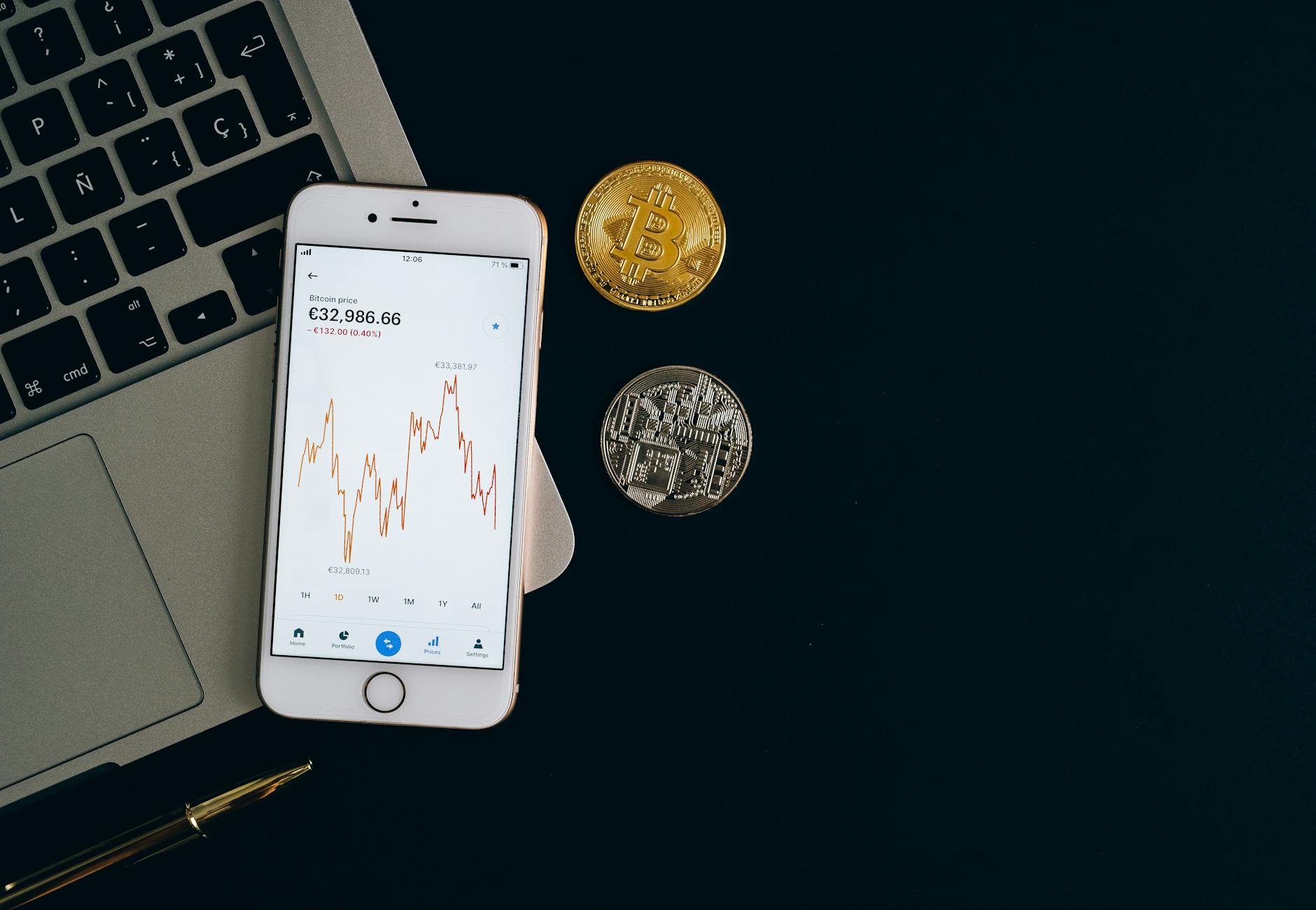
Stay updated with the latest in cryptocurrency and blockchain news, delivered fast and reliably. Bookmark this page and check back often for valuable insights and timely information!
Institutional capital flowing into vast digital asset reserves signals a profound market shift. The Alchemy of Five Percent: Why Bitmine is Turning Ethereum Into a Sovereign Corporate Treasury Bitmine Immersion Technologies recently acquired 101,627 Ether in a single week—proving that for institutional giants, Ethereum is no longer a trade, but a permanent infrastructure play. This aggressive accumulation, occurring between April 13 and April 19, marks the firm's most significant capital deployment since December 2025. By securing roughly 101,627 ETH, the company has signaled a transition from a speculative holder to a systemic validator within the world's largest smart-contract ecosystem. The sheer weight of concentrated Ether holdings influences market equilibrium and investor perception. ⚡ Strategic ...
Get link
Facebook
X
Pinterest
Email
Other Apps
Ethereum futures OI drops 50 percent: Is the leveraged flush confirmed?
Get link
Facebook
X
Pinterest
Email
Other Apps
-
Visualizing digital market waves receding, reflecting the significant drop in open interest.
Ethereum's Great Deleveraging: A 50% OI Drop Signals a Market Reset for Investors
The cryptocurrency market, ever a maelstrom of volatility and opportunity, recently saw Ethereum's price retest the $3,000 mark. While many investors focus on spot price action, the underlying derivatives market often tells a more profound story. For Ethereum, that story is one of significant deleveraging, with its Open Interest (OI) experiencing a dramatic contraction.
ETH Price TrendLast 7 Days
Powered by CryptoCompare
This isn't just market noise; it's a critical signal indicating a shift in trader positioning and risk appetite. As a crypto investor, understanding these dynamics is paramount to navigating the coming months and positioning your portfolio effectively. Let's dive deep into what this 50% drop in Ethereum's Open Interest truly means for the market and your investments.
📌 Unpacking Ethereum's Leveraged Flush: A Deep Dive into OI Dynamics
The Anatomy of Open Interest: Why It Matters
Open Interest (OI) represents the total number of outstanding derivative contracts, such as futures or options, that have not been closed or delivered. It's a crucial metric because it reflects the total amount of capital flowing into a market's derivatives, indicating both the level of speculation and the potential for future price movements. A high OI suggests significant leverage and potentially larger price swings, while a declining OI typically points to deleveraging, unwinding of positions, and a reduction in speculative heat.
Historically, periods of excessively high Open Interest in crypto have often preceded volatile market corrections, or "leveraged flushes," where cascading liquidations amplify price movements. Conversely, a sharp drop in OI, especially after a period of sustained high leverage, can indicate a cleansing of the market, potentially setting the stage for more sustainable growth or a clearer trend direction.
The Stark Decline: 50% Plunge Since August 2025
Recent research from the advanced investment and on-chain data analytics platform, Alphractal, reveals a striking trend: Ethereum's Open Interest has plummeted by a staggering 50% since August 2025. This means roughly half of the leveraged positions that existed a few months ago have been closed or liquidated. This isn't a minor fluctuation; it's a structural shift.
This drastic reduction in OI signals that traders and large investors are significantly reducing their exposure to leveraged ETH positions. In essence, the market is shedding speculative weight. Such a move from institutions and "whale" holders suggests a cautious stance, indicating that they are actively reducing risk and speculative pressure in the market.
Exchange-Specific Deleveraging: A Closer Look
The deleveraging isn't confined to specific corners; it's a broad market phenomenon impacting major exchanges. Alphractal's data highlights widespread reductions in ETH Open Interest:
On Binance, the world's largest exchange, ETH Open Interest has declined by 31% to $7.64 billion.
Gateio saw a 15% decrease, with OI now at $3.72 billion.
HTX (formerly House) experienced a 12.65% fall to $3.12 million.
Bybit's OI dropped by 10.25% to $2.53 billion.
HyperLiquid registered a 10.18% decline to $2.51 billion.
And Bitget saw a 7.25% reduction, bringing its OI to $1.79 billion.
🏢 This comprehensive deleveraging across multiple major platforms paints a clear picture: the Ethereum derivatives market is undergoing a significant "reset." This robust unwinding of leveraged positions suggests a lower probability of explosive, liquidation-driven moves in the short term, fostering an atmosphere of caution and consolidation.
Depicting precarious digital structures within a complex network, symbolizing the unwinding of leveraged risk.
📌 The Broader Market Context: ETH Supply Squeeze
Compounding the implications of the OI drop is another significant trend: a massive reduction in ETH supply on crypto exchanges. Ethereum withdrawals have reached their lowest levels since 2016, reflecting a growing caution among traders and a dampening of short-term sell pressure.
💱 As more ETH is moved off exchanges into long-term holding wallets (e.g., staking, DeFi protocols, cold storage), the liquid supply available for trading continually decreases. While this reduction in supply can, in the short term, contribute to price volatility, it also naturally encourages upward price pressure over the medium to long term, assuming demand remains constant or increases.
📌 Market Impact Analysis: What This Means for Your Portfolio
Short-Term Volatility vs. Long-Term Health
The immediate implication of a significant OI drop is often a decrease in short-term volatility caused by forced liquidations. With less leverage in the system, the market becomes less susceptible to dramatic swings driven by speculative fervor. This can lead to a period of consolidation, where price action might be range-bound as the market digests the deleveraging.
However, deep declines in Open Interest have historically often preceded significant structural changes. This could either be a healthier reversal, where a strong upward trend emerges from a more stable base, or a downward continuation with less leverage, indicating a prolonged bearish phase that is less prone to sudden crashes. For investors, this period demands increased vigilance and a focus on fundamental analysis rather than purely technical indicators driven by short-term leverage.
Implications for Stablecoins, DeFi, and NFTs
💱 The deleveraging in the core ETH derivatives market has ripple effects across the broader crypto ecosystem:
Stablecoins: As speculative risk diminishes, investors might temporarily rotate capital from highly volatile assets into stablecoins, seeking safety. This could increase stablecoin trading volumes or total value locked (TVL) in stablecoin-centric DeFi protocols.
DeFi: A deleveraged ETH market implies reduced systemic risk for DeFi protocols built on Ethereum. Protocols with strong fundamentals, robust auditing, and sustainable tokenomics may attract more "flight to quality" capital. Lending platforms, in particular, could see shifts in borrowing demand and collateral types as speculative borrowing decreases.
NFTs: The NFT market, often fueled by speculative capital, could experience reduced liquidity or slower sales if general risk appetite remains low. However, high-quality, fundamentally strong NFT projects or those tied to real-world utility might show resilience.
📌 Key Stakeholders’ Positions
💱 The significant deleveraging observed in Ethereum's derivatives market elicits varied reactions from key stakeholders, influencing the overall market narrative and investor sentiment.
📜 Lawmakers and Regulators: From a regulatory standpoint, a reduction in market leverage is often viewed positively. It decreases systemic risk, making the market less prone to sudden, large-scale liquidations that could have broader financial stability implications. Regulators are likely to see this as a natural, healthy market correction that aligns with their goals of consumer protection and market integrity, potentially reducing immediate pressure for overly stringent new regulations.
Illustrating abstract figures turning from market screens, representing traders reducing exposure.
Industry Leaders and Crypto Projects: Many industry leaders and established crypto projects, particularly those focused on long-term growth and utility, would likely welcome a deleveraged market. A less speculative environment allows for more organic growth driven by technological innovation and adoption rather than pure speculation. Projects that have weathered previous market cycles tend to emphasize sustainable development and view these periods as opportunities to build stronger foundations.
Large Investors and Whales: The data from Alphractal directly indicates that "institutions and large whale holders" have been closing their leveraged ETH positions. This demonstrates a collective move towards reducing exposure and mitigating risk. Their actions suggest a cautious outlook, possibly anticipating further market consolidation or preparing for new strategic entry points once market direction becomes clearer. This behavior is a strong signal for retail investors to exercise similar prudence.
Retail Investors: For retail investors, the current environment presents both challenges and opportunities. The reduction in speculative "noise" means that market movements might be more aligned with fundamental developments. However, navigating a consolidation phase requires patience and a discerning eye, as easy gains from leveraged speculation become less probable. This is a time to focus on education, risk management, and long-term investment strategies.
🔮 Future Outlook
The deleveraging of Ethereum's derivatives market marks a pivotal moment for its future trajectory. In the short-to-medium term, we can anticipate a continued period of consolidation. The market needs time to absorb the unwinding of leveraged positions, and price action may remain relatively subdued compared to previous highly speculative phases. This could mean ETH trading within a tighter range, lacking the explosive movements seen when OI was peaking.
💱 However, this "cleaning out" of excessive leverage can lay the groundwork for a more robust and sustainable market. In the medium-to-long term, should demand for Ethereum's utility (DeFi, NFTs, enterprise solutions) continue to grow, the reduced liquid supply due to extensive withdrawals from exchanges could become a significant bullish catalyst. This combination of a healthier derivatives market and a supply squeeze could lead to a more organic, fundamental-driven price appreciation for ETH.
Potential risks include broader macroeconomic headwinds that could continue to dampen investor sentiment across all risk assets, including crypto. While deleveraging reduces crypto-specific systemic risk, it doesn't insulate against external economic pressures. Opportunities lie in identifying strong projects within the Ethereum ecosystem that demonstrate real-world utility and adoption during this consolidation phase. These projects, often overlooked during speculative frenzies, could emerge as leaders in a more mature market environment.
📌 🔑 Key Takeaways
The 50% drop in Ethereum Open Interest since August 2025 signals a significant deleveraging, reducing speculative pressure and short-term volatility.
This market "reset" indicates that large investors and institutions are unwinding leveraged positions, shifting to a more cautious and protective stance.
Simultaneously, ETH withdrawals from exchanges are at 2016 lows, creating a supply squeeze that could bolster long-term price pressure.
Investors should anticipate a period of consolidation or more fundamental-driven price action, requiring a shift from speculative trading to long-term value assessment.
Stakeholder
Position/Key Detail
Ethereum Open Interest (Total)
📉 Dropped 50% since August 2025, indicating significant deleveraging.
Binance OI
📉 31% decline to $7.64 billion.
Gateio OI
15% decrease to $3.72 billion.
HTX OI
12.65% fall to $3.12 million.
Bybit OI
📉 10.25% drop to $2.53 billion.
HyperLiquid OI
📉 10.18% decline to $2.51 billion.
Bitget OI
7.25% reduction to $1.79 billion.
👥 Large Investors/Whales
Closing leveraged positions, reducing exposure and speculative pressure.
🏢 ETH Exchange Supply
Withdrawals at 2016 lows, decreasing liquid supply and creating upward price pressure.
🔮 Thoughts & Predictions
The sheer scale of Ethereum's deleveraging, with a 50% OI drop, should not be underestimated. This isn't merely a minor pullback; it's a fundamental recalibration of risk within the ETH derivatives market. I believe this widespread unwinding of leveraged positions is a necessary, albeit often painful, market cleansing that sets the stage for a healthier, more sustainable growth cycle. The days of parabolic, liquidation-fueled rallies might be less frequent in the immediate term, but the underlying asset's resilience could strengthen significantly.
Showcasing a serene digital landscape emerging, symbolizing a market reset after intense unwinding.
Coupled with ETH exchange withdrawals reaching levels not seen since 2016, the long-term supply-demand dynamics are quietly shifting in Ethereum's favor. While short-term price action may appear muted or range-bound as the market consolidates, the reduced liquid supply on exchanges creates a powerful tailwind. My medium-term prediction is that this dual effect of deleveraging and a supply squeeze will eventually lead to a more robust, fundamental-driven appreciation in ETH's value, potentially outpacing other assets still burdened by excessive leverage. We could see ETH establish a strong floor and begin a more organic ascent, mirroring the early phases of its previous bull runs when speculative excess was lower.
Investors should view this as an opportunity to reassess their positions, focusing on conviction rather than pure speculation. The market is telling us to pay attention to utility, adoption, and genuine ecosystem growth rather than chasing ephemeral pumps. This reset is a gift for long-term holders.
🎯 Investor Action Tips
Monitor ETH On-Chain Metrics: Keep a close eye on exchange net flow and staked ETH figures. Continued withdrawals and increasing staking indicate long-term conviction.
Re-evaluate Leveraged Positions: If you hold leveraged ETH positions, consider reducing exposure or setting tighter stop-losses to adapt to the deleveraged market environment.
Focus on Long-Term Accumulation: The supply squeeze combined with deleveraging could present excellent accumulation opportunities for long-term investors during periods of consolidation.
Research Ecosystem Projects: Look for undervalued projects within the Ethereum ecosystem that are building genuine utility, as their fundamentals may shine clearer in a less speculative market.
📘 Glossary for Serious Investors
📉 Open Interest (OI): The total number of outstanding derivative contracts (like futures or options) that have not been settled. A key indicator of market sentiment and leverage.
↔️ Deleveraging: The process by which investors or institutions reduce their amount of financial leverage, often by selling assets or closing leveraged positions, thereby reducing risk exposure.
🧭 Context of the Day
Ethereum's substantial deleveraging, coupled with shrinking exchange supply, positions it for a potentially healthier, more fundamental-driven market cycle ahead.
📈 ETHEREUM Market TrendLast 7 Days
Date
Price (USD)
7D Change
12/16/2025
$2,964.49
+0.00%
12/17/2025
$2,964.26
-0.01%
12/18/2025
$2,827.80
-4.61%
12/19/2025
$2,826.59
-4.65%
12/20/2025
$2,976.80
+0.42%
12/21/2025
$2,977.16
+0.43%
12/22/2025
$3,046.48
+2.77%
Data provided by CoinGecko Integration.
💬 Investment Wisdom
"Risk comes from not knowing what you're doing." — Warren Buffett
Tokenization boom accelerates: XRP ecosystem integrates $50T property. RWA crypto, digital assets, blockchain real estate. Epic Chain's XRP Integration: A Trillion-Dollar RWA Opportunity? 🔗 Epic Chain, a project supported by Ripple, is making significant strides in the tokenization of real-world assets (RWAs) by leveraging the XRP Ledger. This initiative aims to bring trillions of dollars worth of assets onto the blockchain, potentially revolutionizing how real estate, credit, commodities, and collectibles are managed and traded. But what does this mean for crypto investors? 📌 Ripple's Backing and Epic Chain's RWA Platform Epic Chain is positioning itself at the forefront of the RWA tokenization movement with its XRP-native platform. The platform is designed to facilitate the transfer of real estate, credit, commodities, and collectibles onto the XRP Ledg...
Digital asset forecast analyzing upcoming volatility: crypto market, next bull run, BTC price. Bitcoin's "Moonvember" Hopes Tempered by Market Realities: A Deep Dive for Investors 📌 Navigating Bitcoin's November Crossroads: Will History Repeat? The cryptocurrency market is at a fascinating juncture as we enter November 2025. Bitcoin, fresh off a somewhat disappointing "Uptober" where it retraced over 10% after briefly touching $126,000 , faces a pivotal month. Historically, November, often referred to as "Moonvember," has been a strong period for Bitcoin. But can historical trends overcome current market headwinds? To understand the present, it's essential to acknowledge the past. Bitcoin's price action has often followed predictable seasonal patterns. October and November, in particular, have been associated with bullish...
Introducing Solana's pivotal network upgrade, symbolizing growth and advancement. Solana's Alpenglow Upgrade: A Game-Changer for On-Chain Trading and Network Stability 🔗 Solana, a network long celebrated for its blistering speed and low transaction fees, has also navigated its share of stability challenges. As we move into 2025, a critical evolution is on the horizon: the Alpenglow consensus overhaul . This isn't just another incremental update; it's a fundamental reimagining of Solana's core architecture, poised to address longstanding concerns regarding validator performance, network stability, and long-term scalability. For investors, understanding this seismic shift is paramount, as it could significantly redefine SOL's competitive edge and its role within the broader blockchain ecosystem . 📌 🚀 The Alpenglow Evolution: Diving ...