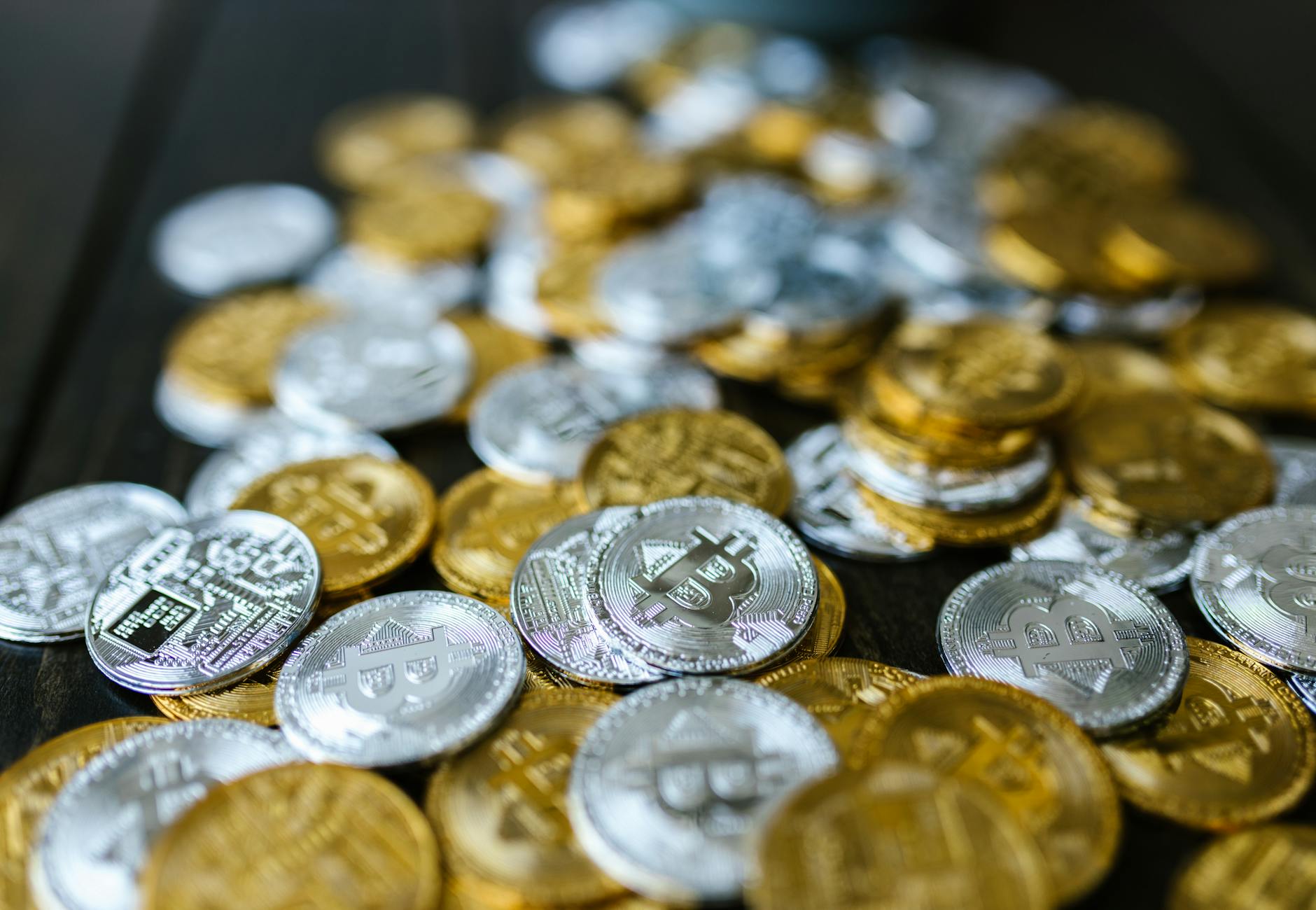
Bitcoin Long-Term Holders Selling: Demand Dip Threatens BTC Recovery
📌 Event Background and Significance
Bitcoin's recent price struggles, dipping below $100,000 in early November 2025, have drawn attention to the behavior of long-term holders (LTHs). This isn't the first time LTH activity has influenced Bitcoin's price, but the current context of weak demand makes it especially significant.
🐂 Historically, LTHs often take profits during bull markets. What's different now is the lack of corresponding buy pressure to absorb their sales, creating a challenging environment for Bitcoin's recovery. This dynamic highlights the delicate balance between supply and demand in the crypto market and the outsized impact of LTH actions.
Past regulatory failures to address market manipulation and information asymmetry exacerbate these price swings. The industry's reliance on on-chain analytics to gauge investor sentiment, like CryptoQuant's demand growth metric, underscores the need for more transparent market oversight. This situation serves as a crucial reminder of the inherent volatility and risks in the cryptocurrency market and the importance of understanding the interplay of market participants.
📊 Market Impact Analysis
The current trend of LTH selling, coupled with declining demand, creates a precarious situation for Bitcoin. In the short term, expect continued price volatility around key psychological levels like $100,000. If demand doesn't pick up, further downward pressure is likely.
⚖️ Long term, this could signal a broader shift in investor sentiment. If LTHs, typically seen as steadfast believers, are reducing their holdings without new buyers stepping in, it could erode confidence in Bitcoin's long-term prospects. The stablecoin sector could see increased scrutiny, as traders may seek safer havens during volatile periods. Similarly, DeFi protocols reliant on BTC as collateral could experience increased liquidation risks.
Specifically, monitor the "apparent demand growth" metric. A sustained negative trend could trigger a cascade of sell-offs, particularly if institutional investors react negatively. Price volatility could spike, potentially exceeding 10% daily fluctuations, as the market struggles to find equilibrium. A key indicator to watch is the rate at which newly mined Bitcoin is being absorbed by the market compared to the rate at which LTHs are selling.
📌 Key Stakeholders’ Positions
Here's a look at where key players stand on the current Bitcoin situation:
| Stakeholder |
Position |
Impact on Investors |
| Lawmakers/Regulators |
Increasing scrutiny, calls for more oversight. |
⚖️ Potential for stricter regulations, impacting crypto operations. |
| Industry Leaders |
💰 Urging market stability, promoting positive narratives. |
👥 Seeking to maintain investor confidence, avoid panic selling. |
| Crypto Projects |
💰 📊 Monitoring market trends, adjusting strategies accordingly. |
Adapting project roadmaps based on BTC performance. |
📜 Lawmakers and regulators are likely to use this as further justification for increased oversight of the crypto market. Their arguments will center on protecting retail investors from volatile price swings and preventing market manipulation. This could lead to new regulations impacting exchanges, stablecoins, and DeFi platforms.
📜 Industry leaders, on the other hand, will likely emphasize Bitcoin's long-term value proposition and downplay short-term volatility. They will argue for self-regulation and innovation-friendly policies. Crypto projects will closely monitor the situation and adapt their strategies to mitigate risks and capitalize on emerging opportunities. For investors, this means navigating a landscape with potentially conflicting narratives and increased regulatory uncertainty.
🔮 Future Outlook
🐻 The future of Bitcoin's price recovery hinges on a turnaround in demand. Several factors could influence this: renewed institutional interest, positive regulatory developments, or increased adoption by retail investors. However, continued LTH selling without corresponding demand could lead to a prolonged bear market.
⚖️ Looking ahead, the crypto market and regulatory environment are likely to evolve significantly. Expect greater regulatory clarity in some jurisdictions, while others may remain hesitant or hostile towards crypto. This divergence will create both opportunities and risks for investors, requiring careful due diligence and risk management. New financial products and services may emerge to cater to institutional investors, while the DeFi sector could face increased regulatory scrutiny.
📌 🔑 Key Takeaways
- The selling activity of Bitcoin long-term holders (LTHs), combined with a lack of demand, is currently pressuring BTC's price. Monitor apparent demand growth as a key indicator of potential recovery.
- Regulatory scrutiny of the crypto market is likely to intensify in response to ongoing volatility. Be prepared for potential new regulations impacting exchanges, stablecoins, and DeFi.
- The long-term outlook for Bitcoin depends on a resurgence in demand from institutional or retail investors. Track institutional investment flows and retail adoption rates for signs of a turnaround.
- Diversification remains crucial in the face of market uncertainty. Consider diversifying across multiple cryptocurrencies and asset classes to mitigate risk.
🔮 Thoughts & Predictions
The current market sentiment suggests Bitcoin faces significant headwinds. A decisive break below $100,000, sustained for more than a week, could trigger a further sell-off towards the $90,000 level. Institutional investors, who have been cautiously optimistic, might begin to liquidate positions, exacerbating the downturn. The key factor to watch will be the reaction of major exchanges and whether they implement any temporary trading restrictions to manage volatility. Look for a potential recovery only if we see a coordinated effort to inject liquidity back into the market, possibly through a major corporate announcement or positive regulatory signal. Without that, Bitcoin could remain range-bound or even decline further, especially as we approach the end of the year.
🎯 Investor Action Tips
- Carefully monitor on-chain data, particularly the "apparent demand growth" metric provided by CryptoQuant and similar analytics platforms, for early signs of demand recovery.
- Set tight stop-loss orders around key support levels (e.g., $98,000, $95,000) to protect your portfolio from potential downside risk if the price continues to decline.
- Explore hedging strategies using Bitcoin futures or options to mitigate potential losses during periods of high volatility.
- Consider diversifying your portfolio by allocating a portion of your investments to alternative cryptocurrencies or traditional assets that may be less correlated with Bitcoin's price movements.
🧭 Context of the Day
Today, Bitcoin's ability to attract fresh demand amidst long-term holder sales will dictate its short-term trajectory and overall market confidence.